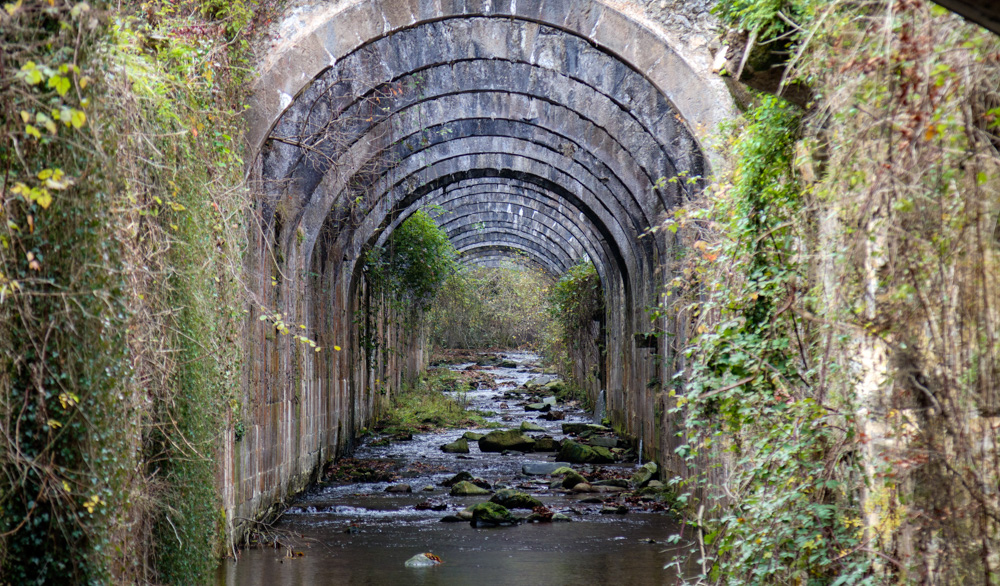


The Flavour Trail
A journey through food and wine
Before you get started:
Route Type
Car
1,600 kilometers
adventure
12 days / stages
of happiness
Season
All year round
Overview of the Itinerary
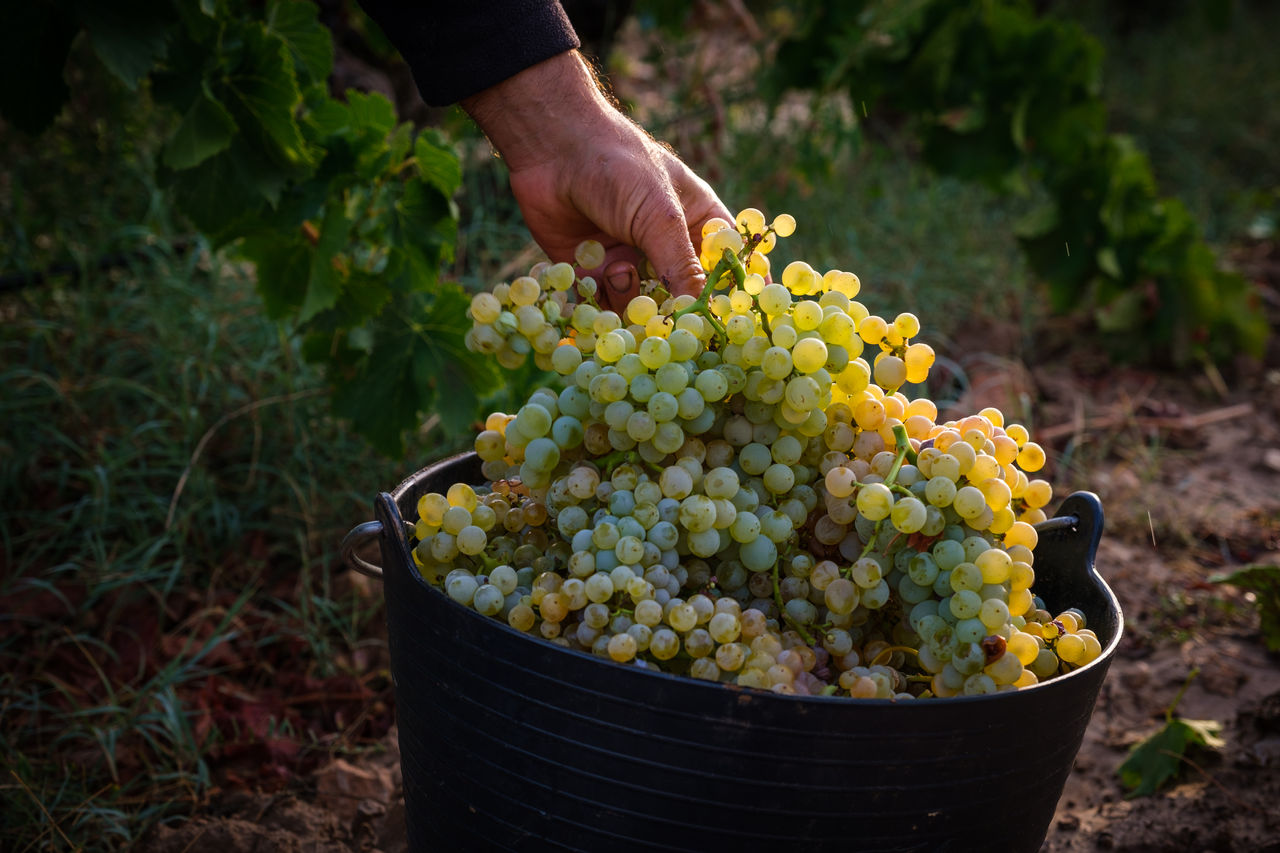
Embark on a grand Pyrenean adventure along this route from the Mediterranean to the Atlantic. Over 12 days, you’ll discover the region’s outstanding cultural, natural and food-and-wine heritage — a true exploration of the unique gastronomy that has done so much to build the region’s reputation. Local produce tastings, market visits, traditional Pyrenean mountain fare and Mediterranean cooking with Catalan influences… From fondues to fresh seafood, this route is a feast for the senses! Taste local specialties, visit markets, and discover traditional Pyrenean mountain cuisine and Mediterranean cuisine with Catalan influences… From fondue to fresh seafood, this itinerary is sure to delight your taste buds!
And lovers of culture and history won’t be disappointed: monasteries, Romanesque cathedrals, fortified towns, prehistoric caves, and famous ports come into view as you travel through the valleys. Between the villages, you’ll pass through meadows, high-mountain forests, glacial valleys, and rocky coastlines.
Top attractions
1
Espace Ermengol – La Seu d'Urgell
Information
2
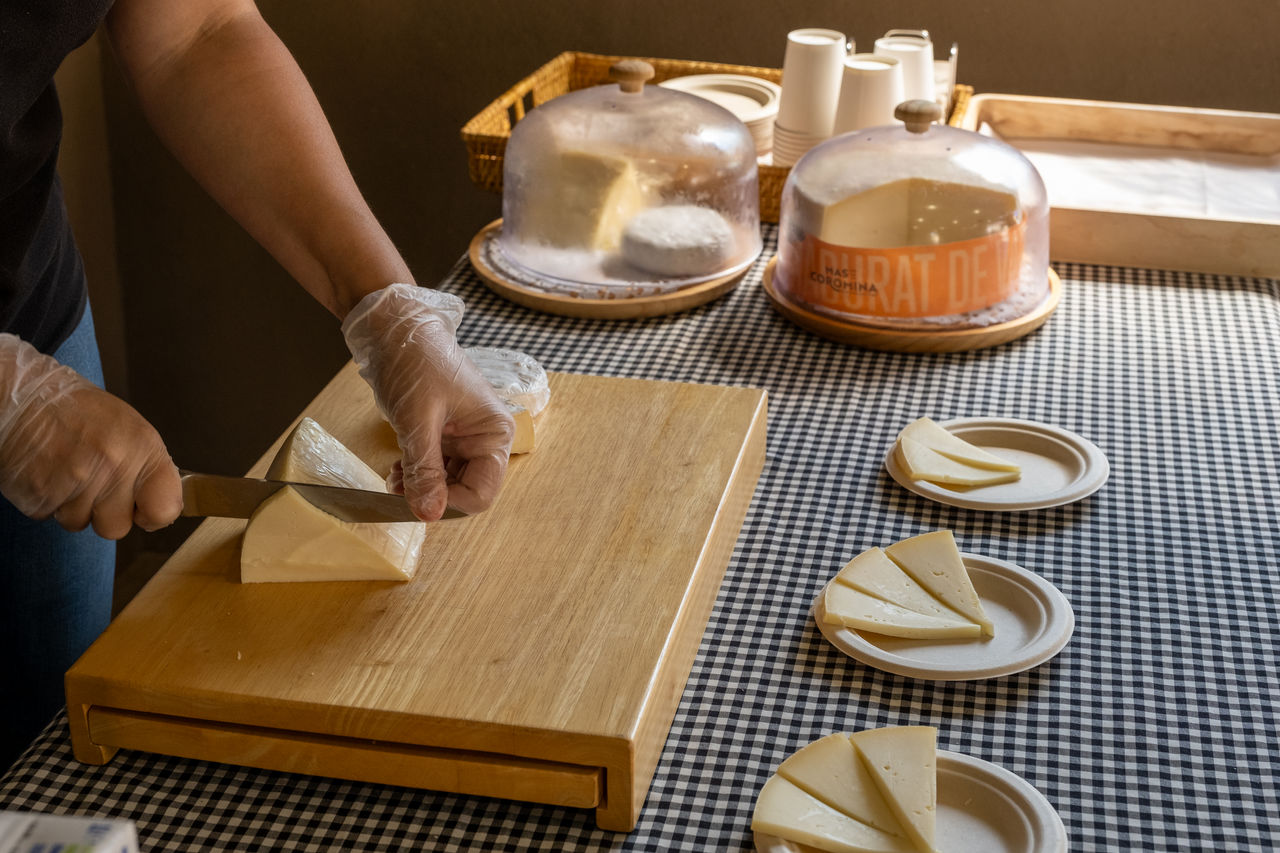
Mas d'Eroles – Laiterie Fermière Durable
Information
Gourmet Stop: Delicatessen Specialties and Local Flavors. Visit this producer’s workshop to discover his traditional deli meats ( llonganissa, taureau ), cheeses, and trumfos. Enjoy buying directly from the producer, learning about the artisanal production process, and sampling the products on site.
Photo: © ACT Anna Sastre
3
Larraldea Cider House (Lekaroz - Baztan)
Information
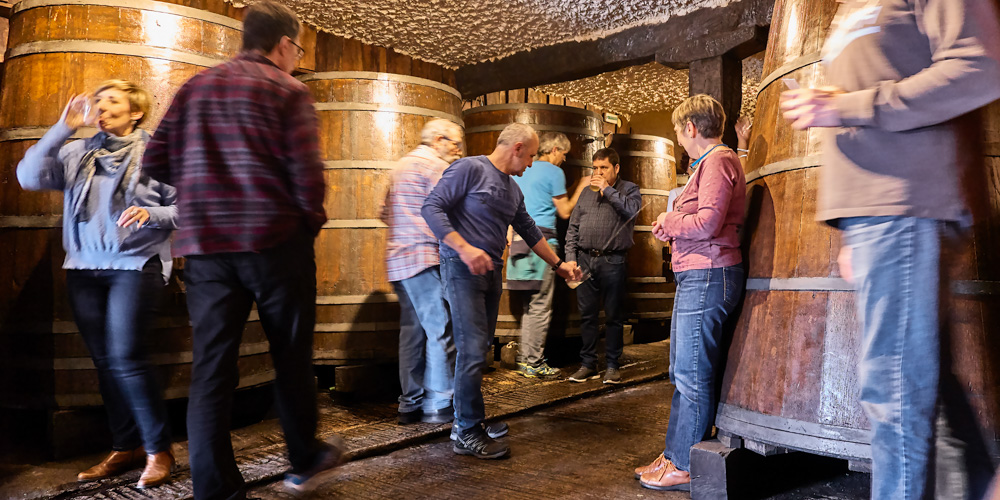
Located in a caserío (traditional farmhouse) from the 18th century in the heart of the Baztan Valley, this artisanal cider house produces its own natural cider from local apples. It offers an authentic experience centered on the ritual of the txotx (tasting directly from the barrel) and the typical ciderhouse menu (cod omelet, charcoal-grilled beef rib, cheese, and walnuts).
5
Madeloc Estate (Banyuls-sur-Mer)
Information
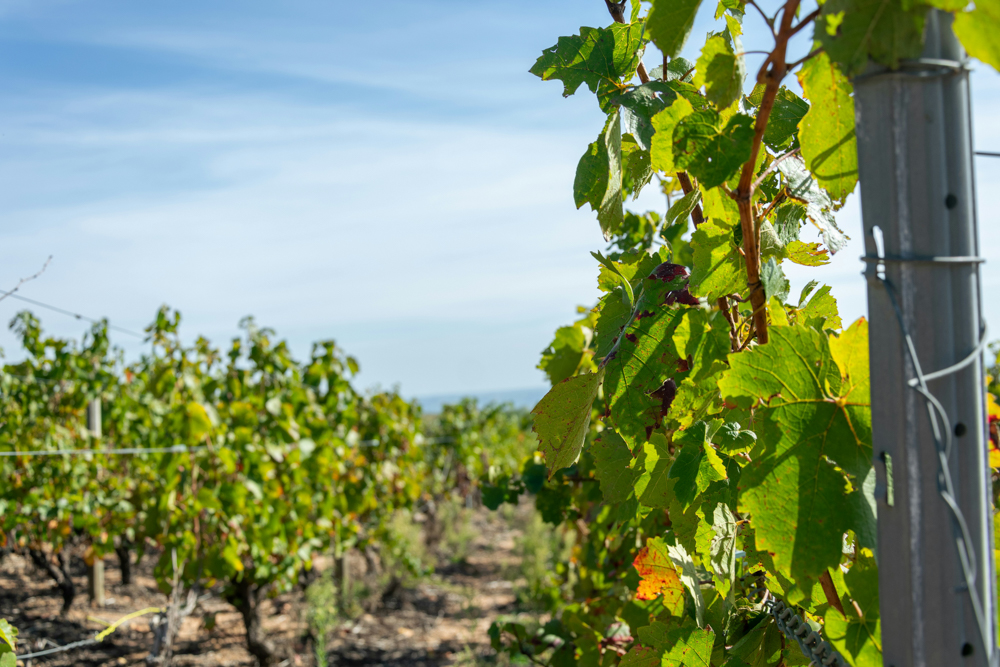
Renowned and exceptionally well-organized, the Madeloc family-owned winery invites you to discover its exceptional terraced vineyard landscape through a comprehensive tour of its vineyards and winery, followed by a tasting of its Banyuls AOC wines.
Step-by-Step Descriptions
Freedom above all: this itinerary can be customized, with the option to select specific stops.
Days 1 to 6
Day 1
The route begins in Girona before gradually winding its way through the green landscapes filled with the scent of petrichor of the Eastern Pyrenees. The route follows the course of the Ter River up to the Camprodon Valley, a region characterized by meadows, forests, and livestock farming. You can admire medieval bridges and Romanesque monasteries, and sample artisanal cured meats and mountain potatoes (trumfes), and Pyrenean cheeses. A true exploration of mountain life and cuisine at a leisurely pace.
Points of interest
Cal Xec (Camprodon Valley)
Information
Gourmet Stop: Delicatessen Specialties and Local Flavors. Visit this producer’s workshop to discover his traditional deli meats ( llonganissa, taureau ), cheeses, and trumfos. Enjoy buying directly from the producer, learning about the artisanal production process, and sampling the products on site.
Photo: © ACT Anna Sastre
Day 2
On this second day, the route winds through high-mountain terrain to reach La Seu d’Urgell, the culinary capital of the Catalan Pyrenees. From La Seu d’Urgell to Andorra, Pyrenean cuisine takes center stage: hearty mountain fare, grilled meats, artisanal cured meats, and, above all, the Alt Urgell and Cerdanya PDO cheeses, produced in the neighboring valleys and pastures. The route continues toward Andorra, through glacial valleys and high-altitude landscapes. The Principality combines traditional stone architecture, Romanesque sanctuaries, and mountain cuisine centered on grilled meats, slow-cooked dishes, and traditional liqueurs.
Points of interest
Espace Ermengol – La Seu d'Urgell
Information
Day 3
The route leaves Andorra and enters Pallars Sobirà, one of the most authentic regions of the Catalan Pyrenees. The landscape follows the course of the Noguera Pallaresa River, becoming wilder and more rugged. Llavorsí and Alins preserve mountain culture, while Espot serves as the gateway to the Aigüestortes i Estany de Sant Maurici National Park. Upon entering Pallars Sobirà, the mountain cuisine reveals its true character: a region of livestock farming where artisanal cured meats, such as girella, and traditional recipes like palpís take center stage. It’s also an excellent stop to discover local cheeses, including tupí—an icon of the Pyrenean valleys—as well as the region’s typical mountain wines.
Points of interest
Mas d'Eroles – Laiterie Fermière Durable
Information
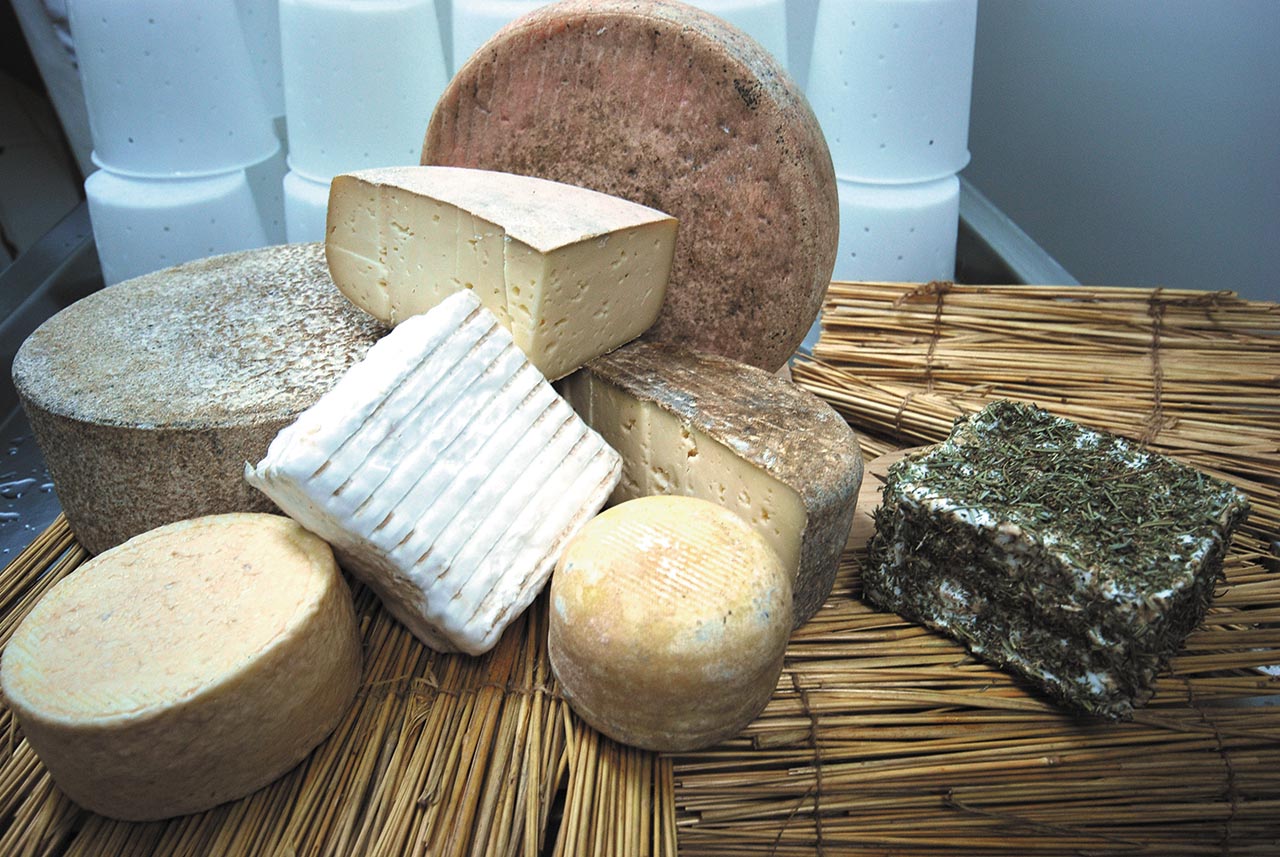
This family-run farm in Pallars Sobirà promotes extensive livestock farming and rural landscapes. Come visit the farm to learn about this sustainable model and discover exceptional products: Alt Urgell PDO cheeses, long-aged raw-milk cheeses, and artisanal butter. Direct sales at the farm.
Photo: ©ACT Servicios Editoriales Georama
Day 4
This stage offers some of the most spectacular scenery. The Bonaigua Pass connects Pallars with Navarre through high-mountain landscapes, glacial valleys, and historic mountain passes. Between Espot and Esterri d’Àneu, the flavors of Pallars blend with the scenery of rivers and forests: river trout, seasonal mushroom dishes—such as arròs amb carreretes—and liqueurs made from local plants, notably gentian. A final gourmet treat before continuing on to the mountain passes and valleys of Navarre. You’ll pass through Esterri d’Àneu and head down into the Roncal Valley, where Burgui and Isaba retain a strong cultural identity linked to wooden rafts (almadías), transhumance, and Pyrenean architecture. The local cuisine reflects this pastoral heritage.
Points of interest
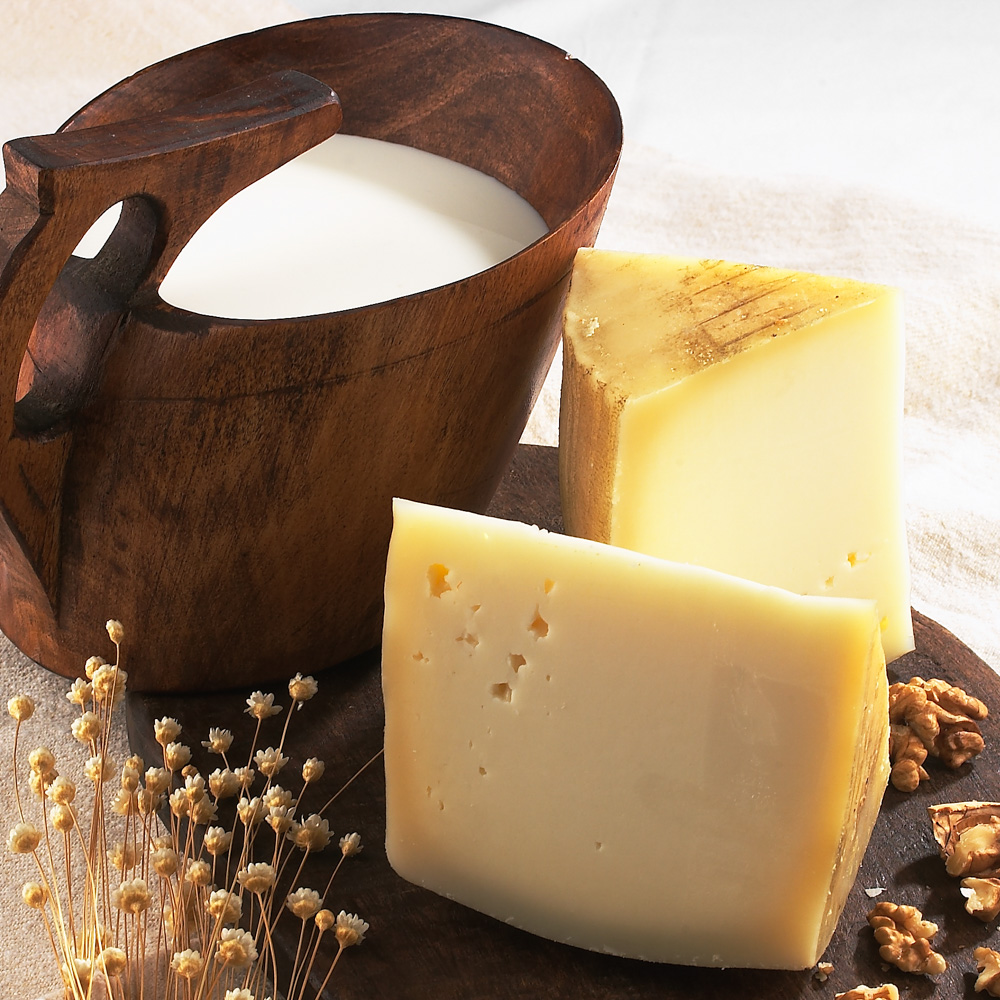
EKIA Cheese Factory – Roncal AOP (Navarre)
Information
Roncal PDO cheese (one of the oldest on the peninsula), Latxa sheep’s milk cheese (made from raw milk, aged and matured), curd ( requesón ), yogurt, and artisanal dairy products. Guided tasting and explanation of the Roncal Valley’s cheese-making tradition.
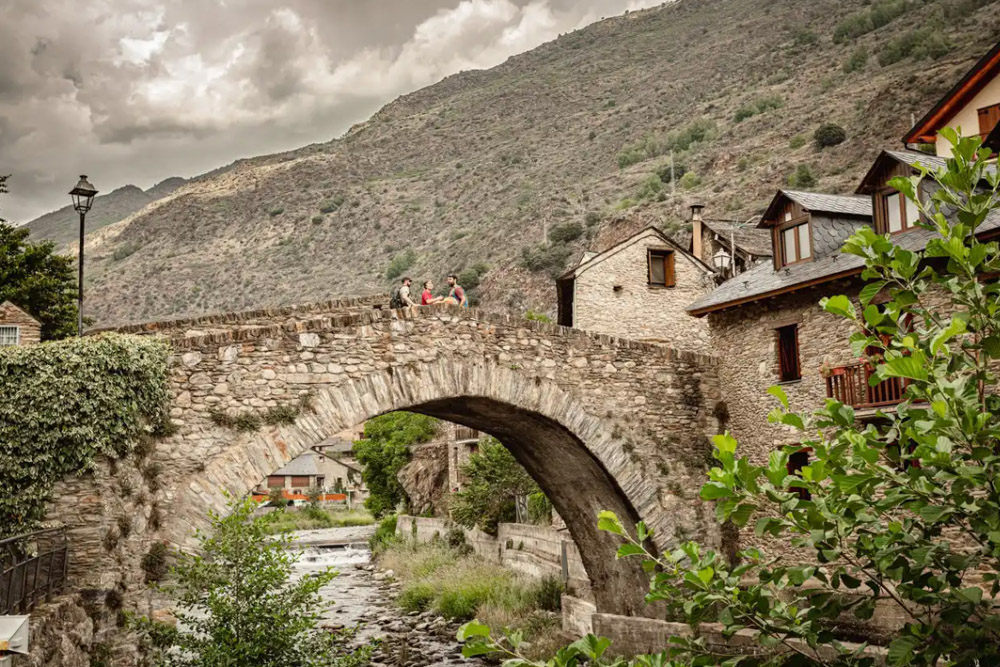
Riu Butcher Shop (Esterri d'Àneu / Pallars Sobirà)
Information
Pyrenean pasture-raised lamb (known as xai from Pallars), high-mountain veal, artisanal cured meats, and traditional butchery products. The butcher shop works directly with producers in the Pallars valleys.
Day 5
The journey continues into the green heart of Navarre. Ochagavía and the Iraty Forest are home to one of the largest beech-and-fir forests in Europe. The route takes you to Roncesvalles, an iconic stop on the Way of St. James, before descending toward Pamplona. Along the way, you’ll discover forest products such as mushrooms and honey, as well as artisanal cider.
Points of interest
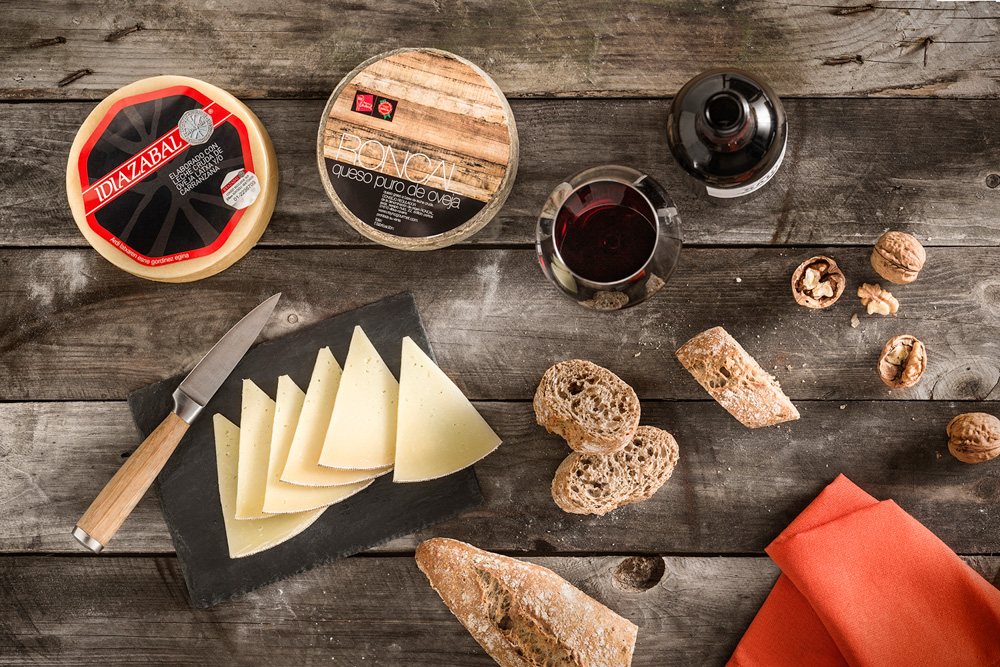
Flavors of the Forest – Erletxo (Irati Forest)
Information
Local products from the Pyrenees: honey, preserves, mushrooms, cured meats, cheeses, and liqueurs.
Day 6
This day is dedicated to exploring Pamplona. You’ll explore its city walls, cathedral, historic center, and local markets. Let yourself be surprised by one of northern Spain’s most renowned culinary scenes! The pintxo culture, vegetable menestra, chistorra, and produce from Navarre’s vegetable gardens will connect you to the surrounding countryside.
Points of interest
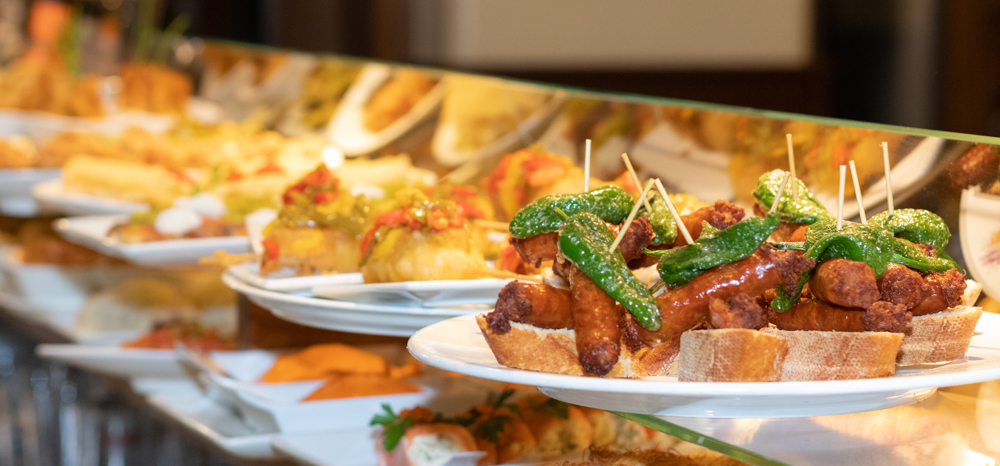
Bar Gaucho
Information
A top choice among Pamplona’s pintxos bars for its cuisine, ideal for a varied and delicious tasting experience. Perfect for sampling typical Navarran dishes served as pintxos: tapas made with local ingredients, chistorra, fried foods, and more.
Days 7 to 12
Day 7
The route winds its way deep into the Baztan Valley, a region characterized by Atlantic landscapes, lush green meadows, and scattered farmhouses. Elizondo and Urdax are home to Baroque palaces, monasteries, and caves of great historical and cultural significance. The local cuisine features Latxa sheep, caillebotte, and traditional pastries such as urrakin egiña, all of which reflect a vibrant rural culture.
Points of interest
Larraldea Cider House (Lekaroz - Baztan)
Information
Located in a caserío (traditional farmhouse) from the 18th century in the heart of the Baztan Valley, this artisanal cider house produces its own natural cider from local apples. It offers an authentic experience centered on the ritual of the txotx (tasting directly from the barrel) and the typical ciderhouse menu (cod omelet, charcoal-grilled beef rib, cheese, and walnuts).
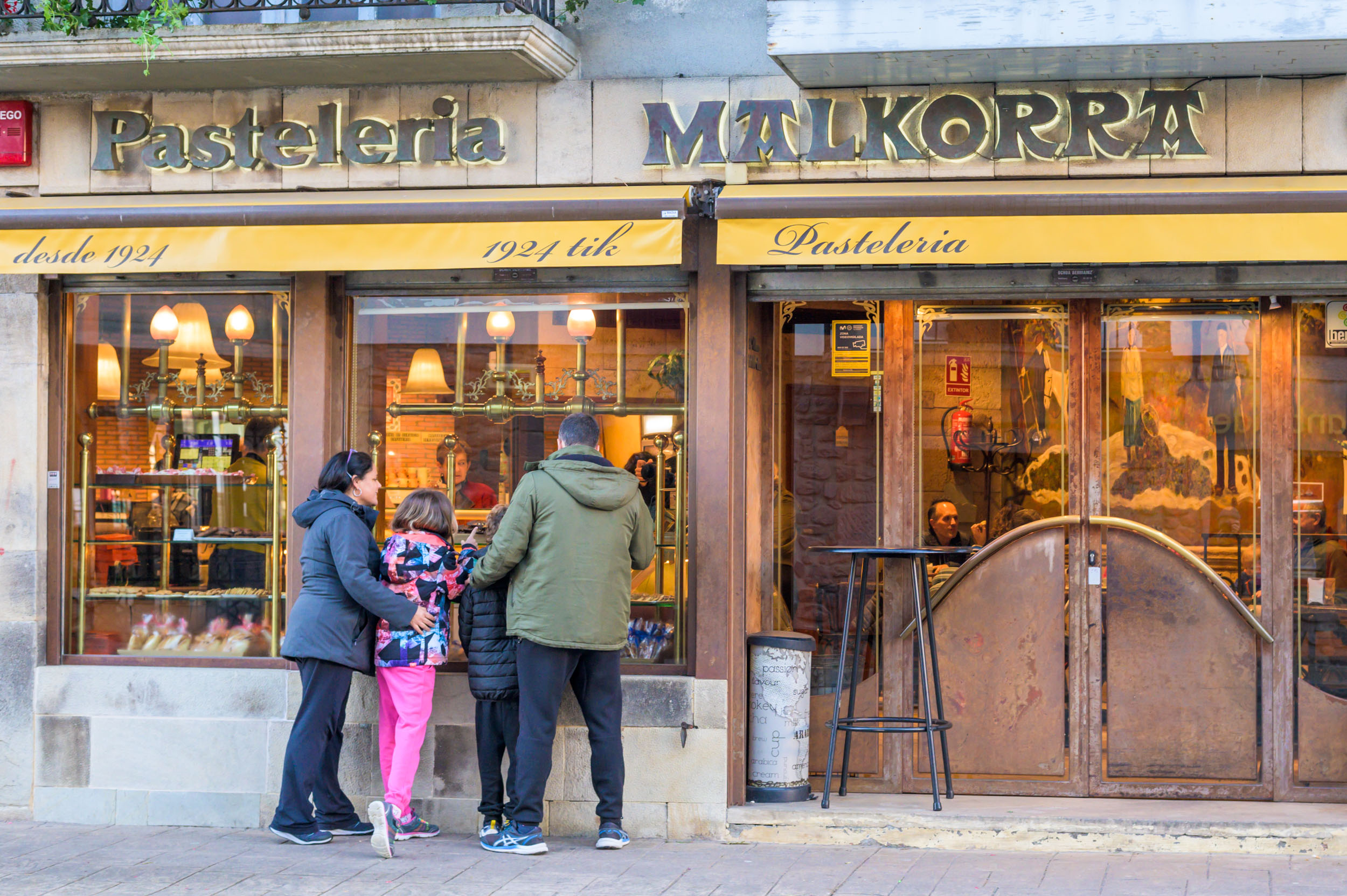
Malkorra Pastry Shop
Information
Since 1924, this local artisan bakery has been offering its famous “Urrakin egiña” chocolate, cakes, pastries, and seasonal items. It has become a true staple for the valley’s traditional sweets and products.
Day 8
Crossing the Izpegi Pass marks your entry into the French Basque Country. Saint-Jean-Pied-de-Port, with its citadel and its heritage as a stop on the Way of St. James, is a key point along the route. The route continues to Oloron-Sainte-Marie, a town rich in cultural and historical significance, home to the famous Sainte-Marie Cathedral, a UNESCO World Heritage Site. Here you’ll discover Irouléguy AOC wines, Basque cake, and Pyrenean lamb.
Points of interest
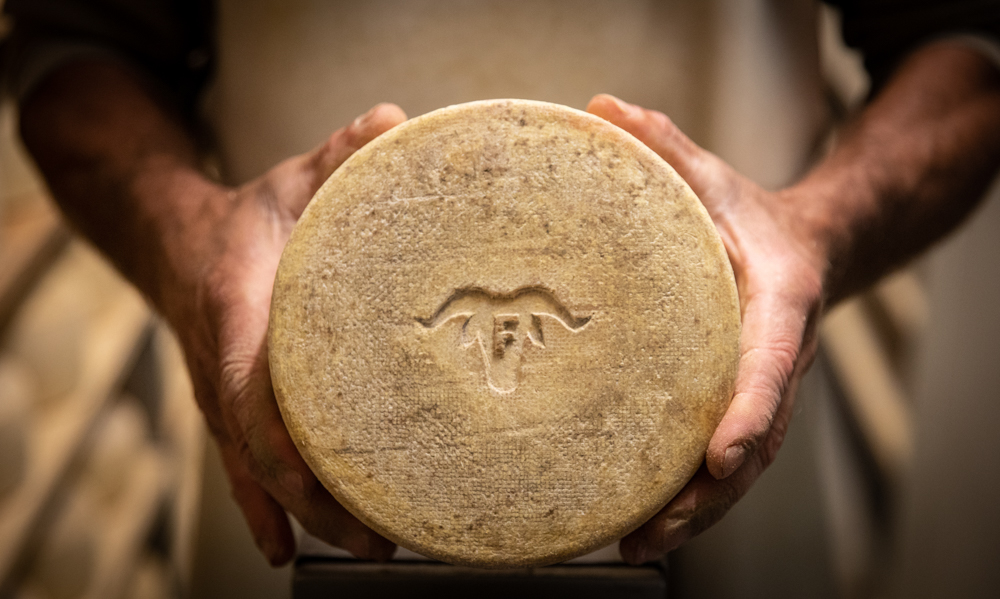
Agerria Farm (Hélette)
Information
Open year-round, this farm promotes family-run farming and the preservation of local sheep breeds through the production of the famous Ossau-Iraty cheese.
Photo: © Carole Photograph
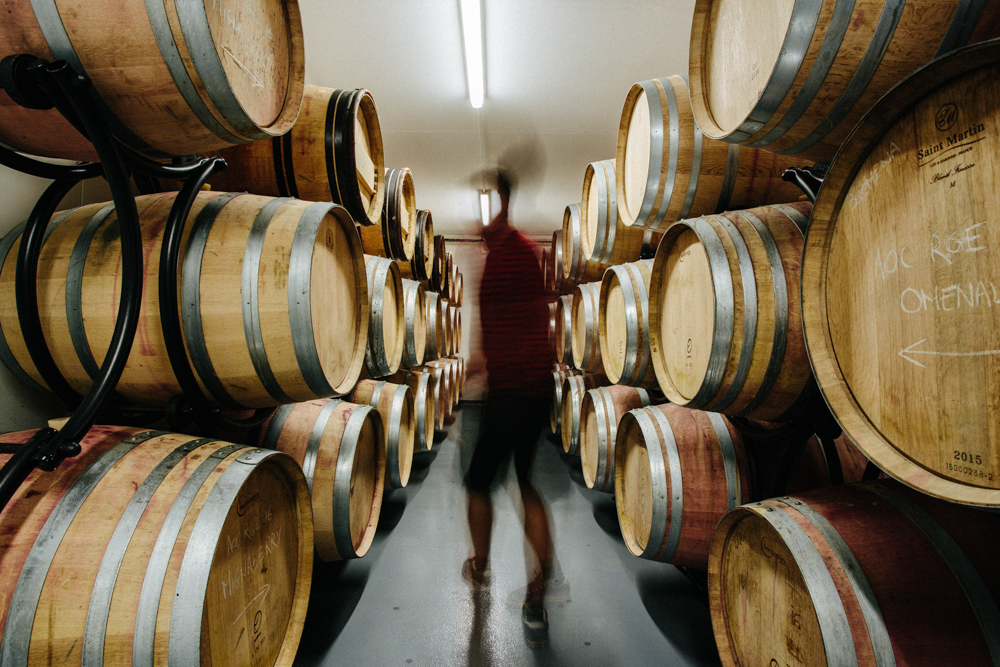
La Cave d’Irouléguy
(Saint-Jean-Pied-de-Port)
Information
Red, white, and rosé Irouléguy AOC wines. This is the historic cooperative winery of Irouléguy, one of the wines with the strongest identity in the Pyrenees and the true wine-growing heart of the French Basque Country. It offers tours, tastings, and direct sales.
Photo: © Studio Waaz
Day 9
This stage winds through the Ariège region, passing through mountain passes, dense forests, and charming villages. The Col de la Core offers panoramic views of the Central Pyrenees. Saint-Girons, the capital of the Couserans region, serves as a cultural and gastronomic hub, where goat and cow cheeses, mountain honey, and local wines reflect an agricultural tradition undergoing rapid modernization.
Points of interest
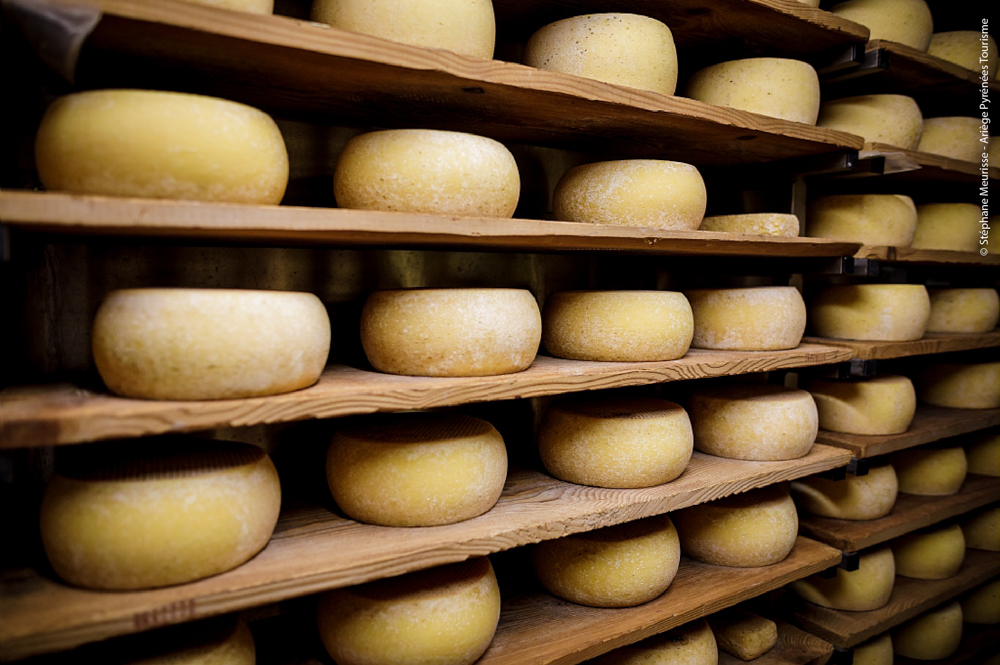
Cheese at the Saint-Girons market
Information
Photo: © Stéphane Meurisse
Day 10
You’ll head east along ancient Pyrenean trade routes. Along the way, Ax-les-Thermes stands out for its spa tradition, while your arrival in Cerdagne reveals an open, sun-drenched landscape. Llívia, a unique historic enclave, is home to one of the oldest pharmacies in Europe. The local cuisine centers on Cerdagne trinxat, high-mountain charcuterie, and wines—ranging from the Roussillon appellations to the high-altitude vineyards of Cerdagne, true mountain treasures.
Points of interest
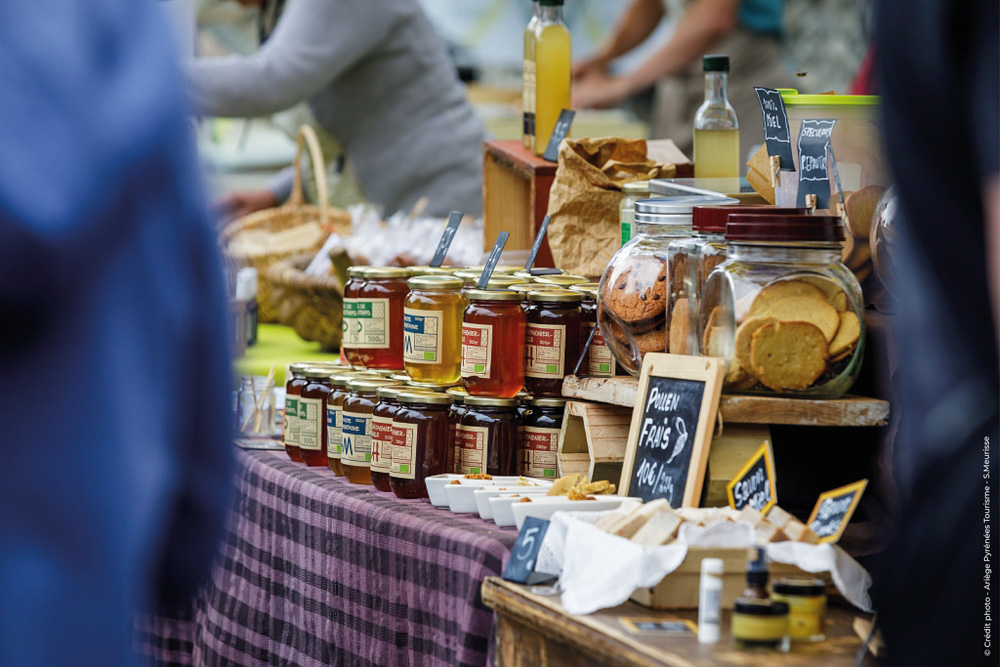
Saint-Girons Market
Information
Pending
Photo: © Stéphane Meurisse
Madeloc Estate (Banyuls-sur-Mer)
Information
Renowned and exceptionally well-organized, the Madeloc family-owned winery invites you to discover its exceptional terraced vineyard landscape through a comprehensive tour of its vineyards and winery, followed by a tasting of its Banyuls AOC wines.
Day 11
Today, the route winds from the mountains down to the Mediterranean. The Têt Valley and the villages of Roussillon reveal their medieval heritage. Castelnou and Collioure blend history, art, and maritime tradition, while Banyuls-sur-Mer is renowned for its production of AOC natural sweet wines. Mediterranean cuisine with Catalan influences characterizes this final leg of the road trip.
Points of interest
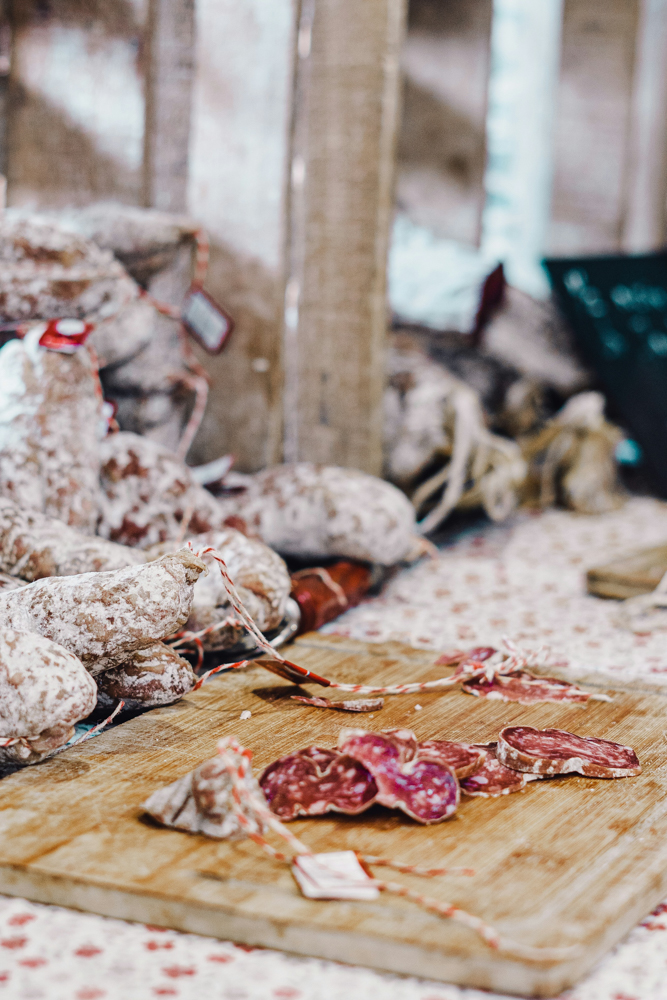
Charcuterie and mountain produce in Cerdagne (Saillagouse)
Information
In the heart of French Cerdagne, the tradition of high-mountain charcuterie plays a vital role in the local culinary identity. Sausages aged in the pure air of the Pyrenees, mountain hams, and artisanal specialties are a testament to expertise passed down through generations.
In Saillagouse, historic establishments such as the Logis Hôtel Chez Planes embody this tradition by combining charcuterie production, a shop selling local products, and regional cuisine. Here you’ll find the signature ingredients of Cerdagne trinxat as well as a selection of Roussillon wines, creating a natural link between agriculture, the landscape, and gastronomy.
Day 12
From Banyuls-sur-Mer to Girona, the route winds through the Pyrenean Alt Empordà, between the landscapes of the Albera and the Salines, mountain villages, and Mediterranean forests. The local cuisine reflects this border region’s character: regional specialties, cured meats and game, traditional dishes, and local products—not to mention the wines of the DO Empordà, produced in vineyards swept by the tramontana wind. A stop where the Pyrenees meet the Mediterranean. We’ve come full circle! On the way back, reflect on the cultural, scenic, and culinary diversity you’ve discovered over the past few days.
Points of interest
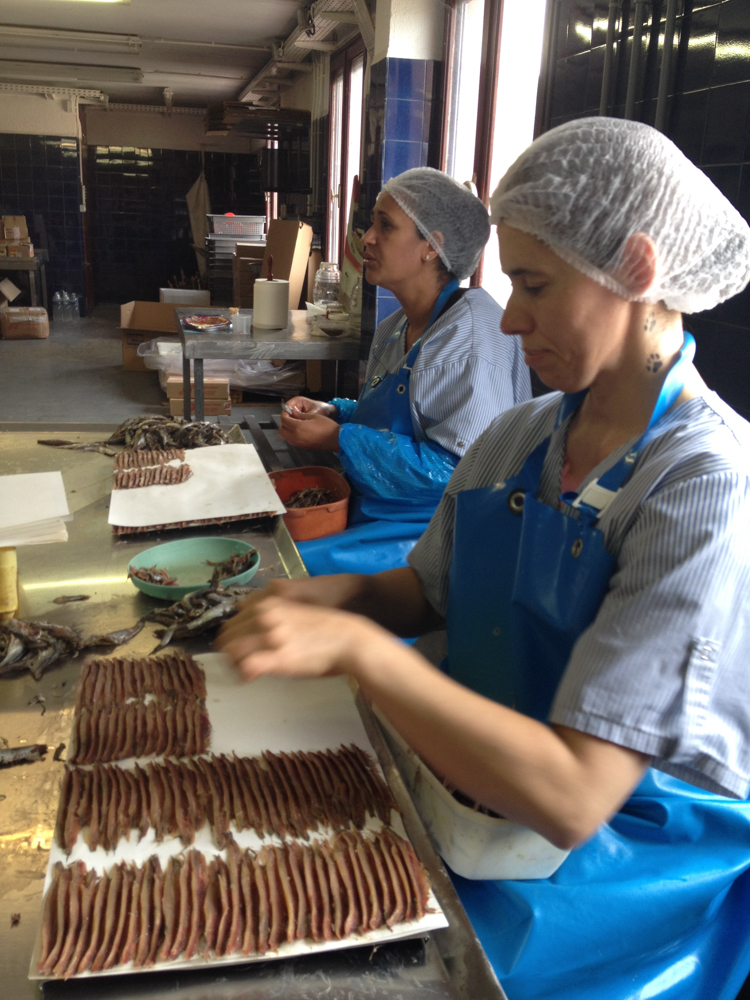
Maison Roque
(Banyuls-sur-Mer)
Information
Founded in 1870, this company is the oldest in Collioure to produce artisanal anchovies.
All year round
The route can be traveled year-round (12 months), although it is particularly recommended in the spring (April–June) and fall (September–October), when the weather is milder and there are fewer tourists in the Pyrenees.
Planned adjustments based on the season:
Spring
Seasonal products: suckling lamb, early mushrooms, aromatic herbs. Mid-mountain hikes, tours of active livestock farms.
Summer
More intense outdoor activities (rafting in Llavorsí, mountain biking in Saint-Jean-Pied-de-Port). Increased overnight stays at higher altitudes to avoid the intense heat in the valleys. Avoiding overcrowding in national parks through marked alternative routes.
AutumnSeasonal cuisine: mushrooms, chestnuts, fresh honey. Workshops on canning and cider-making, as well as experiences related to the late harvest in Irouléguy or the wines of the Empordà.
Winter:
Inclusion of spa activities (Ax-les-Thermes, Thuès-les-Bains, Caldea in Andorra). Gastronomic experiences featuring slow-cooked dishes (stews, ragouts, trinxat from Cerdagne). Adaptation of mountain trails for valley walks or snow activities (snowshoeing, gentle hikes).
Girona
Air Travel – Girona-Costa Brava Airport (GRO)
- Benelux: Frequent connections to Brussels, Charleroi, and Eindhoven.
- Germany: Scheduled flights from Frankfurt, Düsseldorf, Memmingen, and Stuttgart.
- United Kingdom: Direct flights from London, Manchester, Birmingham, Bristol, and Liverpool.
- France: Fast connections by road and rail, particularly to the Occitanie region (Toulouse, Perpignan).
- Spain: Seasonal flights to several cities (summer service).
- Andorra: Girona is one of the most popular airports for travelers heading to Andorra (a 2-hour drive).
Access outside Europe:
- United States and APAC: Connections via a layover in Barcelona-El Prat (1 hour from Girona), a high-capacity intercontinental airport serving long-haul routes.
Rail Access – Girona Girona is a regional capital served by the AVE (high-speed train) and the Alvia, with excellent connections to Spain and France.
Main connections:
High-Speed Train to Barcelona: 38 minutes.
- Barcelona–Madrid / Zaragoza / Seville: Convenient connections for intercontinental travelers.
- TGV to France: Connections to Perpignan, Narbonne, Montpellier, Lyon, and Paris.
- Ideal rail connection to: France, Benelux (via Paris–Barcelona), Germany (Lyon–Paris–Barcelona), and the United Kingdom (Eurostar to Paris + TGV).
Road Access – Girona Girona is connected by the AP-7, one of Europe’s major highways (E-15), which links:
France → Perpignan → Narbonne → Montpellier → Lyon → Germany / Benelux.
Barcelona → Tarragona → Valencia → Mediterranean Spain.
Pamplona
Air Travel – Pamplona Airport (PNA) The airport offers scheduled flights to major international hubs.
- Madrid: 1-hour flight → universal access to markets in the U.S., APAC, the U.K., Germany, and Benelux.
- Barcelona: 55 minutes → direct connections to Europe and long-haul destinations.
- Frankfurt: The ideal indirect connection to Germany.
- Lisbon: Improved service for long-distance travelers.
Nearby airports: Although it has limited direct flights, Pamplona benefits from its proximity to major international airports:
- Bilbao (BIO) – 1 hr 30 min
- San Sebastián / Biarritz (BIQ) – 1 hr 10 min
- Zaragoza (ZAZ) – 1 hr 45 min (These airports offer numerous routes to the United Kingdom, Germany, the Benelux countries, France, the United States, and the Asia-Pacific region).
Rail Access – Pamplona Pamplona has medium- and long-distance rail services:
- Madrid – Pamplona: 3 hours 15 minutes
- Barcelona – Pamplona: 4 hours 45 minutes
- Zaragoza – Pamplona: 1 hr 45 min
European connections via Irun/Hendaye: Rail access to France, the Benelux countries, Germany, and the United Kingdom.
Road Access – Pamplona Pamplona is a strategic hub in the road network of northern Spain:
- A-15: Navarre ↔ Gipuzkoa ↔ France (Basque Country and Nouvelle-Aquitaine).
- AP-15: Connection to the Ebro Corridor highways.
- A-21: Connection to Huesca and the Central Pyrenees.
April
- Almadías (Rafts) Day – last Sunday in April – Burgui (Navarre).
May
- Anchovy Festival – May – Collioure.
June
- Transhumance Festival – June – Ariège / Couserans (Saint-Girons).
July
- San Fermín Festival – July 6–14 – Pamplona.
- Camprodon’s Main Festival – mid-July – Camprodon.
- Saint-Jean-Pied-de-Port Choral Festival – July – Saint-Jean-Pied-de-Port.
- Baztandarren Biltzarra – last Sunday in July – Baztan Valley (Elizondo).
July–August
Pallars Sobirà Festival – July–August – Espot / Esterri d’Àneu.
August
- Basque Pastoral Festivals and the Urdax Festivals – August – Urdax.
Festa Major of La Seu d’Urgell – last weekend in August – La Seu d’Urgell.
September
- Llívia’s Main Festival – early September – Llívia.
- Meritxell Festival (Patron Saint of Andorra) – September 8 – Andorra la Vella.
Travel Better, All Year Round
Traveling better means choosing a form of tourism that is more respectful of local communities and the people who bring them to life. Through these itineraries, the project invites you to slow down, immerse yourself in the landscapes, meet the locals, and celebrate local craftsmanship, all while adopting responsible and sustainable practices.
As true showcases of local products and artisanal expertise, the food and wine markets will give you the chance to meet producers and discover seasonal specialties along the route. Please note that opening days and hours may vary depending on the season. We recommend checking the official website of each town or tourist office to verify the most up-to-date information before your visit.