

Secrets of Catalan Art & Vineyards
The experience of the good life
Before you set off:
Type of route
car
400 kilometres
of adventure
7 days / stages
of happiness
Season
March - December
General presentation
Set out to discover the historical and cultural heritage of the Catalan Pyrenees on this seven-day route. A road trip where tradition meets gastronomy, giving you a taste of the region’s extraordinary richness.
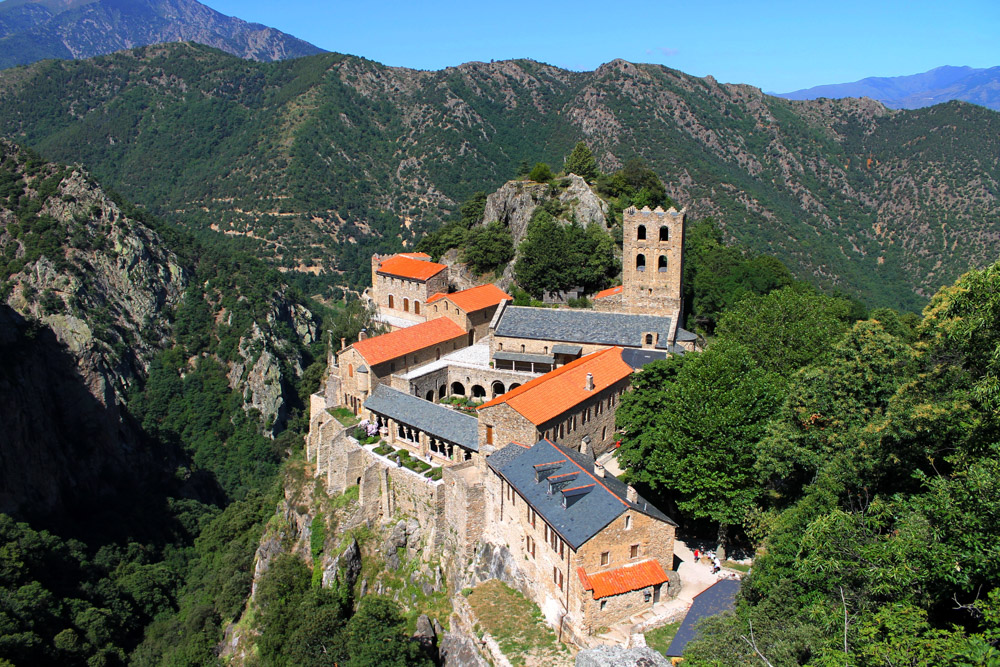
Romanesque abbeys, ancient fortified towns and authentic medieval villages dot this route between Perpignan and Bolvir. You travel from coastal scenery to terraced vineyards, drinking in the views of the Canigó and Costabona massifs and the entire chain of cross-border summits. And as the crowning touch, you get to ride the Yellow Train (Train Jaune), an icon of Pyrenean railway heritage, linking the Vauban fortresses to the high Catalan plateaux.
Between cultural visits, vineyard rambles and gourmet dinners, this route is a true artistic and gastronomic odyssey, tailor-made for lovers of history and the good life.
Stage descriptions
Freedom first: this route can be tailored to your wishes, with the option of selecting specific stages.
Day by day
First day
This first day takes you from Perpignan to Collioure. You kick off with a visit to the Palace of the Kings of Majorca — a striking plunge into medieval Catalonia — before discovering the elegant Art Nouveau style of the Hôtel Pams and the craftsmanship of the Saint-Vicens ceramic workshops. Come afternoon, Collioure welcomes you with its Royal Castle and the colourful lanes that once inspired Matisse and Derain. The day rounds off with a guided tasting of AOP wines at the Cellier des Dominicains and a stroll through the Clos de Paulilles, between terraced vines and Mediterranean coves.
Second day
You head for Banyuls-sur-Mer along the spectacular corniche road, then press on into Catalonia. You follow in the footsteps of sculptor Maillol before sampling Banyuls’ natural sweet wines during a tasting in the heart of the vineyards. Come afternoon, crossing the border at Portbou marks your entrance into Catalonia, between sea and Pyrenean foothills. You reach the Castell de Peralada, where medieval heritage, historic cellars and Michelin-starred dining come together in an exceptional setting.
Third day
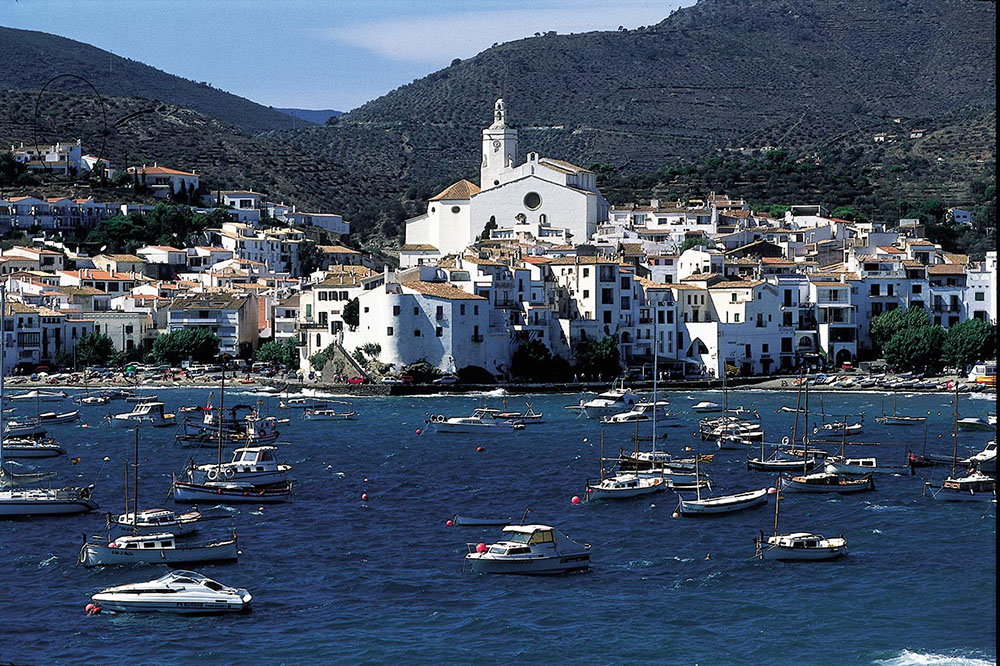
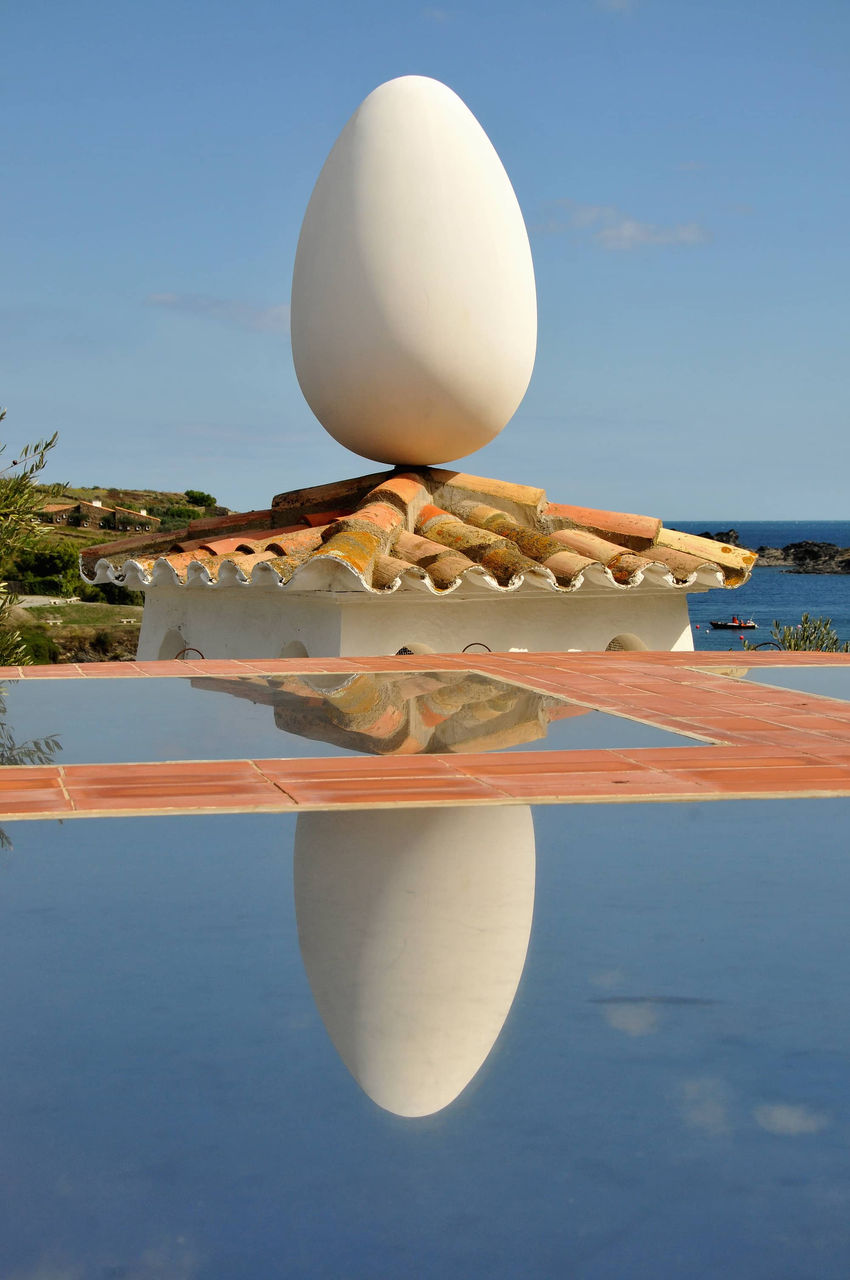
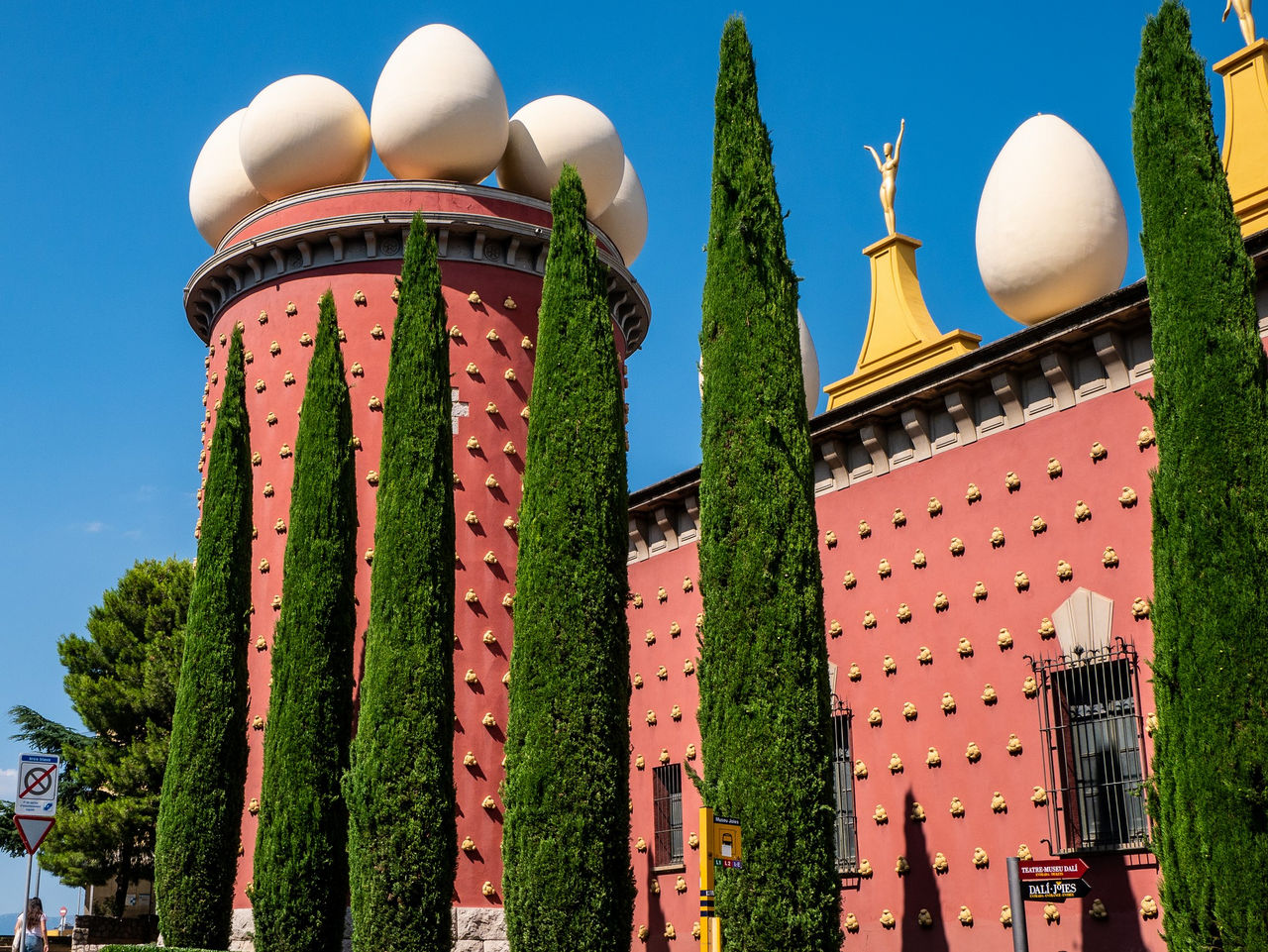
A day given over to art, between Cadaqués and Figueres. You first discover the whitewashed village of Cadaqués and Salvador Dalí’s house in Portlligat — an intimate retreat that lays bare the master’s creative world, gazing out over the Mediterranean. Come afternoon, the Dalí Theatre-Museum in Figueres plunges you into a total, spectacular work of art — an unmissable landmark of world Surrealism. The old town of Figueres gives you time to wander, before rounding off the day with wines from the DO Empordà and hearty terroir cooking, blending seafood and hinterland flavours.
Fourth day
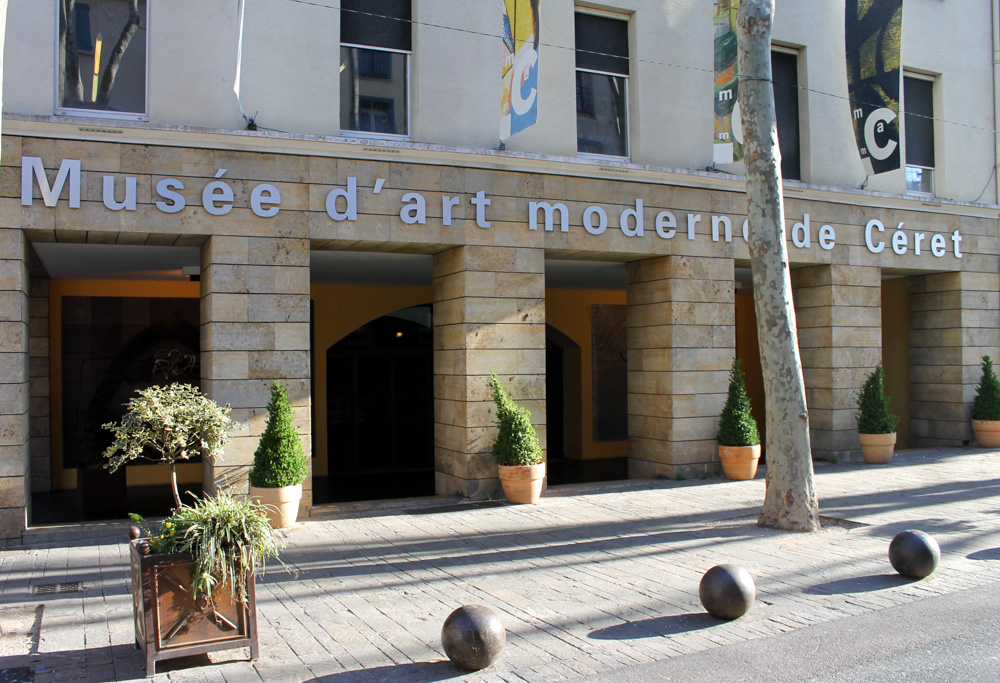
Back in France for an immersion in the Vallespir, between Céret and Prats-de-Mollo. You visit the Céret Museum of Modern Art, home to works by Picasso, Chagall and Miró, before making for Arles-sur-Tech and its Romanesque abbey. The road continues to Prats-de-Mollo, a fortified town nestled at the foot of the Pyrenees, where you discover Fort Lagarde and the village’s medieval lanes. The landscape grows more mountainous, hinting at the heights of the Canigó massif ahead.
Fifth day
A day of rest at the roof of the Catalan Pyrenees. Far from the madding crowd, you soak up the exceptional surroundings of the Upper Vallespir, with panoramic views of the Canigó and Costabona massifs. A moment of calm and well-being amid the Catalan peaks.
Sixth day
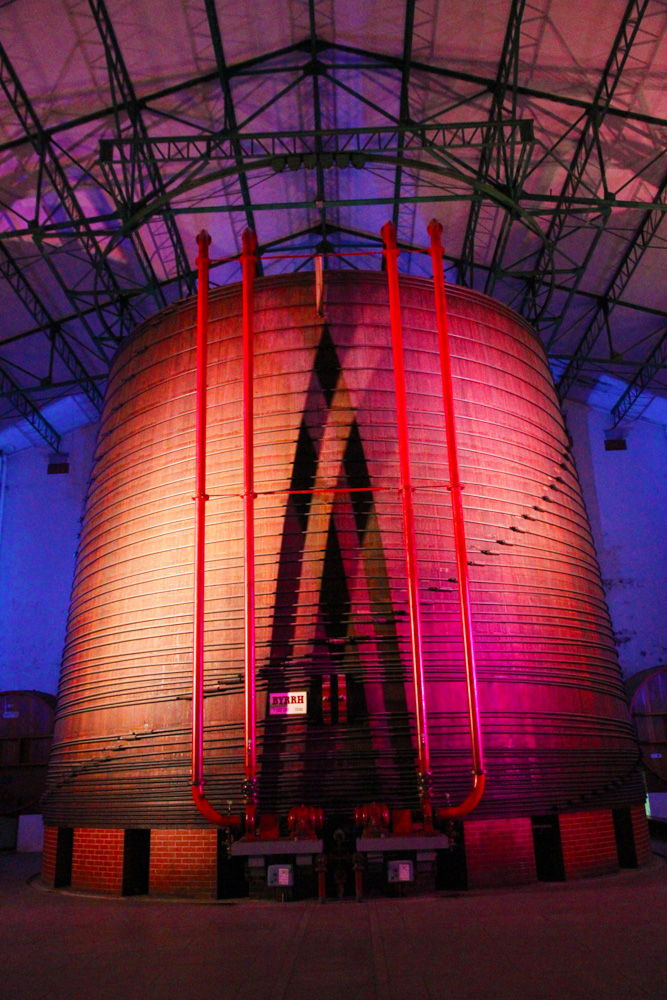
This day takes you through some of the loveliest villages in the Pyrenean foothills. You wander the lanes of Castelnou, listed among the Plus Beaux Villages de France, before heading to Thuir to visit the Caves Byrrh — a remarkable piece of Catalan Art Deco heritage. The afternoon is yours to unwind at one of the region’s wine estates or thermal spas, marrying wellness with terroir cuisine.
Seventh day
For this final stage, the Priory of Serrabone or the fortified town of Villefranche-de-Conflent await — two jewels of Roussillon Romanesque art. Come afternoon, you board the famous Yellow Train for a panoramic crossing of the high Catalan plateaux, from Vauban fortresses to cross-border summits. Arriving in Bolvir, in the Spanish Cerdagne, brings the week to a splendid close, bathed in high-altitude light and mountain stillness, with a renowned valley cuisine (trinxat, tiró with turnips, xicoies salads) and a surprisingly fine high-altitude viticulture, to discover through cellar visits, tastings and wine-tourism experiences amid the vineyards.
Points of interest
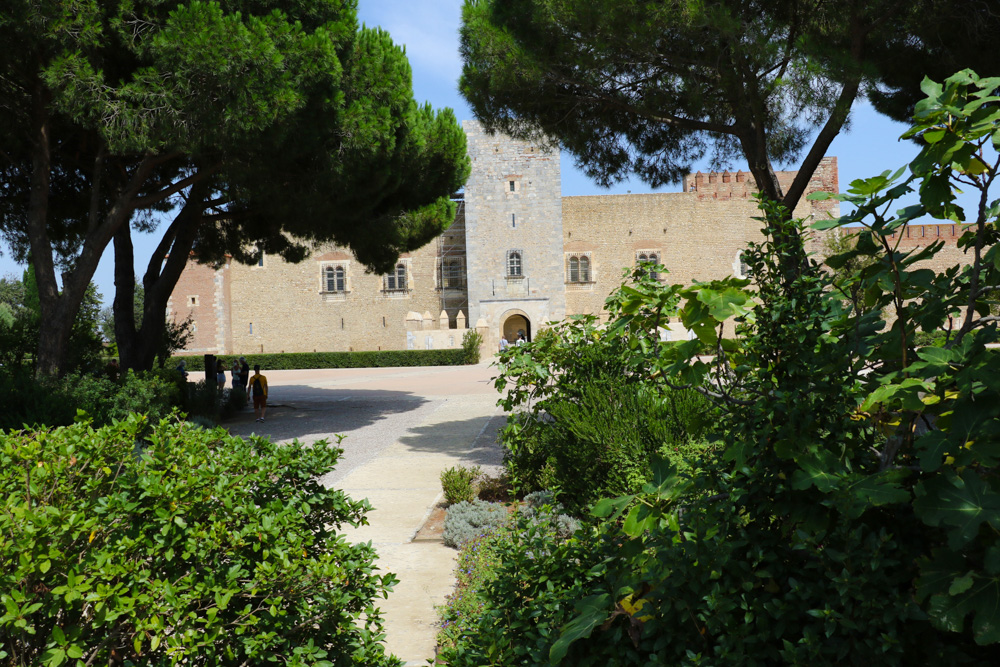
1
Palace of the Kings of Majorca
Information
A former royal residence overlooking Perpignan, the Palace of the Kings of Majorca offers a powerful historical insight into medieval Catalonia and a first immersion in Catalan cultural identity.
Photo : ©ADT66
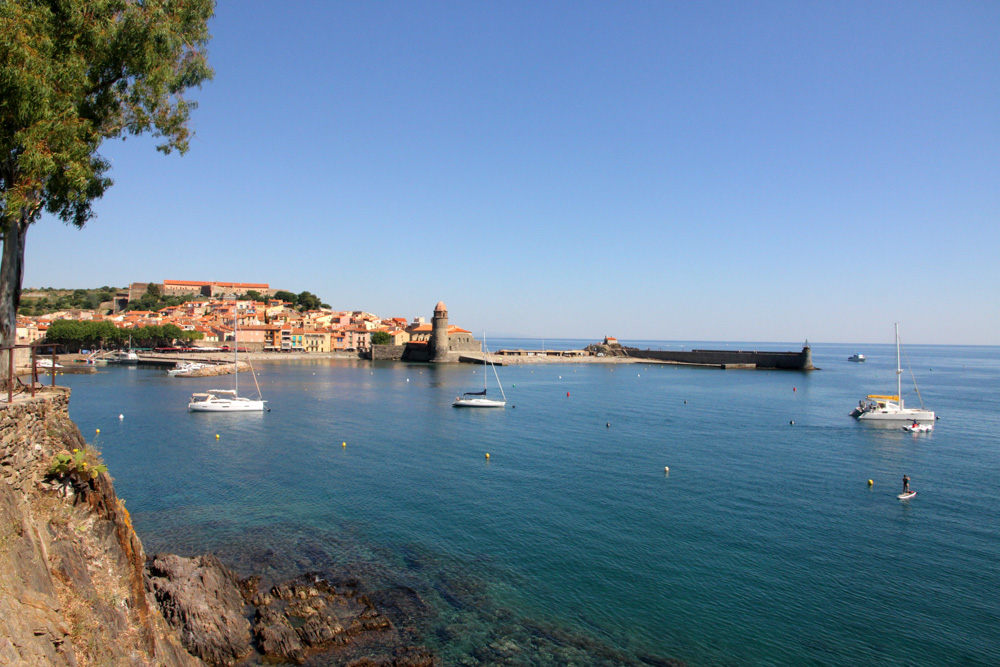
2
Fauvism trail and Royal Castle of Collioure
Information
An open-air artistic trail retracing the inspiration of Matisse and Derain, offering a sensitive and immersive reading of the landscape that gave birth to Fauvism.
Photo : ©ADT66
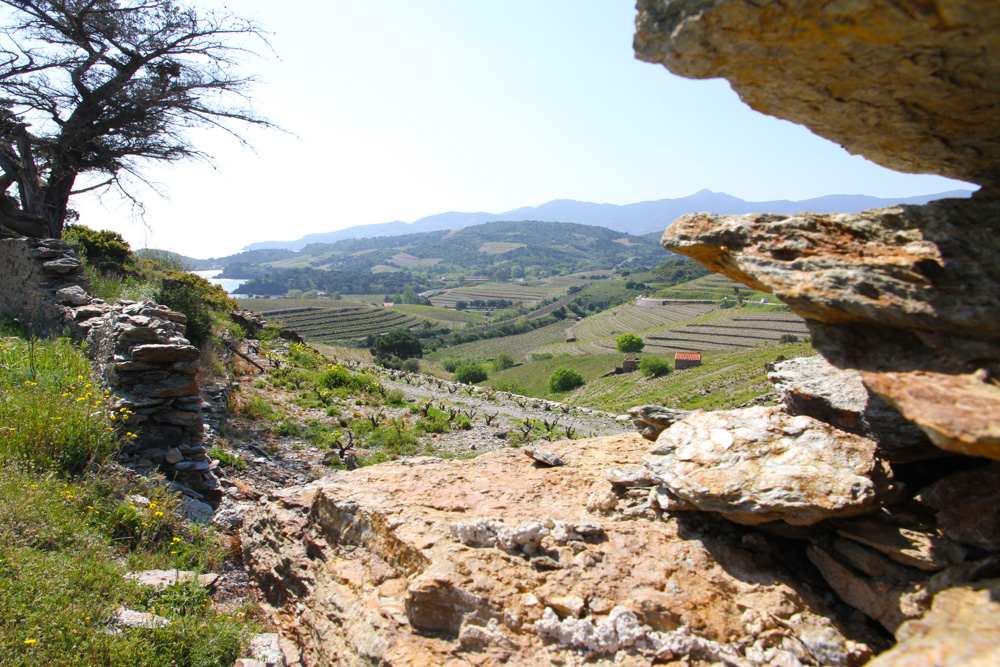
3
Clos de Paulilles (Port-Vendres)
Information
A remarkable natural and heritage site, combining viticultural landscapes, Mediterranean coves and industrial memory, ideal for a contemplative pause.
Photo : ©ADT66
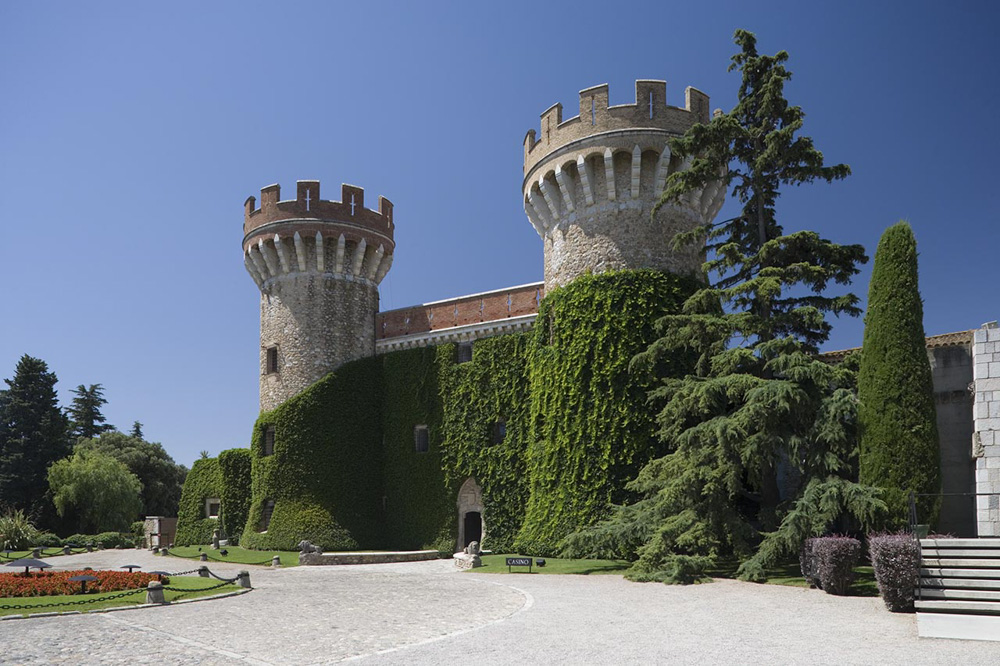
4
Castell de Peralada & wine tasting
Information
A premium wine-tourism experience combining heritage, prestige tasting, Michelin-starred cuisine and well-being in an exceptional setting.
Photo : © ACT Nano Cañas
5
Guided tour of Cadaqués
Information
An iconic Mediterranean village of whitewashed houses and unique light, Cadaqués has inspired artists and writers and offers a gentle, aesthetically immersive Mediterranean experience.
Photo : © ACT
6
Guided tour of Dalí's house in Portlligat
Information
An intimate and singular place, the former residence of Salvador Dalí reveals his creative and personal world through an immersive visit overlooking the bay of Cadaqués.
Photo : © ACT
7
Guided tour of the Dalí Theatre-Museum
Information
A total and iconic work of art, this museum-spectacle offers a unique immersion in Dalí’s Surrealist imagination, unmissable on the international stage.
Photo : © Nicole Biarnes
8
Visit Céret and its Museum of Modern Art
Information
An art town of the Vallespir, home to a leading museum linking Catalan traditions and 20th-century artistic avant-gardes.
Photo : © ADT66
9
Visit Caves Byrrh + tasting
Information
A remarkable Art Deco industrial site, offering an immersion in the history of the famous Catalan aperitif, complemented by a guided tasting.
Photo : © ADT66
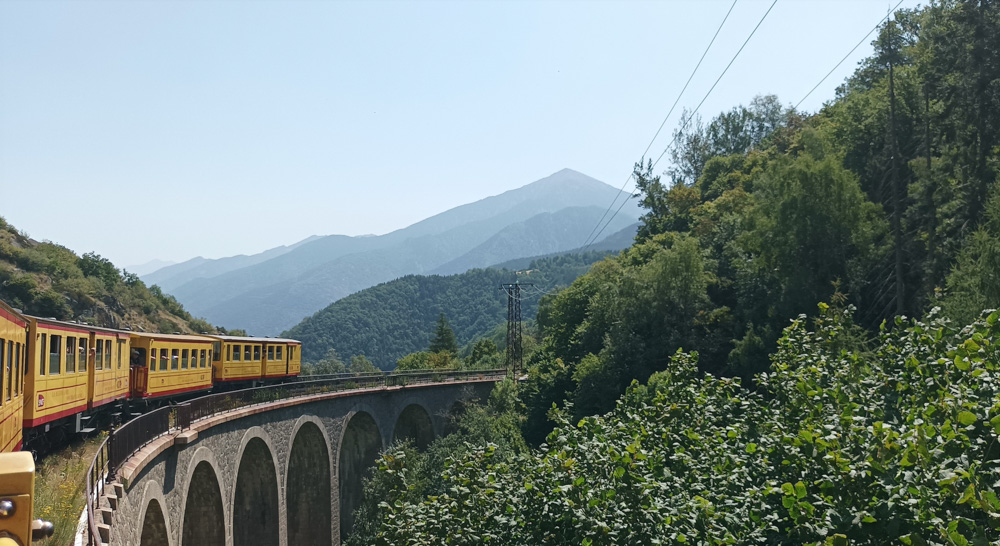
10
Yellow Train to Bourg-Madame
Information
An iconic panoramic railway experience, linking valleys and high Catalan plateaux in a spirit of slow travel, sustainable and utterly spectacular.
Photo : © Emmanuelle Viala
By plane
Aéroport de Barcelone (BCN) :
Principal hub international, vols directs quotidiens depuis l’Europe, l’Amérique du Nord et le Moyen-Orient.
→ Transfert privé vers Perpignan (≈ 2h30) ou train direct.
Aéroport de Gérone (GRO) :
Vols européens saisonniers (UK, Benelux, Allemagne).
→ Transfert direct vers Perpignan (≈ 1h30).
Aéroport de Perpignan (PGF) :
vols directs saisonniers ou réguliers depuis Paris, Bruxelles, Londres (selon périodes).
Aéroport de Montpellier (MPL) :
Aéroport régional
→ Train ou transfert privé vers Perpignan (≈ 1h30).
Aéroport de Toulouse (TLS) :
→ Transfert privé ou train vers Perpignan (≈ 2h15).
By train
TGV / AVE depuis Paris, Lyon, Bruxelles ou Barcelone jusqu’à Perpignan (liaisons rapides et confortables).
End of route & departure
Depuis Figueres
Gare TGV Figueres-Vilafant :
→ Trains à grande vitesse vers Barcelone, Madrid, Paris.
Aéroport de Gérone à 45 min / Barcelone à 1h15.
Collioure
Fêtes de la Saint-Vincent : 14 au 18 août
Fête de l’Anchois : 31 mai/1er juin
Banyuls-sur-Mer
Festa Major (fête du village) : 3ᵉ week-end d’août
Fête des vendanges : 2ᵉ week-end d’octobre
Arles-sur-Tech
Fête de l’Ours : Premier week-end de février
Fête patronale (Festa Major) : 30 juillet
Château de Peralada
Festival Castell de Peralada : Juillet
Céret
Fête de la Cerise : Fin mai
Prats-de-Mollo-la-Preste
Fête de l’Ours : Fin février
Perpignan
Procession de la Sanch : Semaine sainte (mars/avril)
L’itinéraire est réalisable sur environ 10 mois de l’année, de mars à décembre inclus, avec de légères adaptations sur les mois d’hiver.
Mars – Juin
Période idéale (printemps) : Lumière, floraison, climat doux (20–25°C sur la côte, 15–20°C en montagne). Très bon équilibre entre visites culturelles, randonnées légères et paysages verdoyants. Peu de foule.
Juillet-Août
Haute saison (attention à la foule), la côte est très fréquentée. Possibilité d’ajouter des évènements nocturnes (Festival Castell de Peralada, Fêtes de Saint-Vincent à Collioure, concerts dans les cloitres…) ;
Septembre – Octobre
Très bonne période (automne) : Vendanges, lumière dorée, ambiance chaleureuse. Températures idéales pour golf, randonnées, visites. Les fêtes du vin à Banyuls et Byrrh ajoutent de la valeur. Période idéale pour valoriser les cave, les festivals du vin, et les produits de saison (champignons, châtaignes, figues). Activités golf + oenogastronomie.
Novembre – Décembre
Focus sur gastronomie, spas, patrimoine et ambiances feutrées (Peralada, Riberach, Château de Riell). Moins d’activités en extérieur, mais beaucoup de charme.
Janvier – Février
Période moins évidente car certains sites fermés (train jaune partiel, musées avec horaires réduits…)
En hiver, possibilité d’adapter le séjour en se concentrant sur les hôtels thermaux et spas (Peralada, Molitg, Riberach), les visites intérieures (musées, abbayes), les expériences gastronomiques et marchés de Noël (Castelnou, Perpignan).
Travel better, all year round
Travelling better means choosing tourism that is more respectful of the land and the people who bring it to life. Through these routes, the project invites you to slow down, to immerse yourself in the landscapes, to meet the locals and to value traditional know-how, while adopting responsible and sustainable practices.