


Hidden Treasures from Conflent to Garrotxa
Where the sea meets the mountains
Before you start:
Type of route
car
350 kilometers
of adventure
7 days / stages
of hapiness
Season
March to December
General overview
From Perpignan to Figueres, venture off the beaten track and discover the cultural and gastronomic heritage of the Pyrenees at a gentle pace. A route built around local terroir and craftsmanship, punctuated by a handful of guided walks.
Between tastings, gentle hikes await in the Fenouillèdes, at the Bouillouses lake and in the Garrotxa Natural Park. Art lovers won’t miss out either, with the Céret Museum of Modern Art and the Dalí Museum both on the cards.
In a nutshell, the kind of slow-travel route we love: varied, doable year-round, and devoted to celebrating the simple pleasures of a region explored in utter tranquillity.
Stage descriptions :
Freedom first: this route can be tailored to your wishes, with the option of selecting specific stages.
Day by day
Day one
Your journey begins in Perpignan and takes you to the heart of the Conflent. You visit either the Priory of Marcevol — a natural balcony facing the Canigó — or the Abbey of Serrabone, a Romanesque gem tucked into the garrigue. Come afternoon, you wander through the lanes of Eus, listed among the Plus Beaux Villages de France, before reaching Prades, the small cultural capital of the Conflent, at the foot of the massif.
Day two
Off to the Fenouillèdes for a day of high-altitude vineyards and quiet living. In Bélesta, you discover the Prehistory Museum before pressing on with a tasting at one of the region’s wine estates. The afternoon is given over to relaxation — a stroll through the vines, an escape to the Caramany lake, or a spa session — amid a landscape of unspoilt hills and garrigue.
Day three
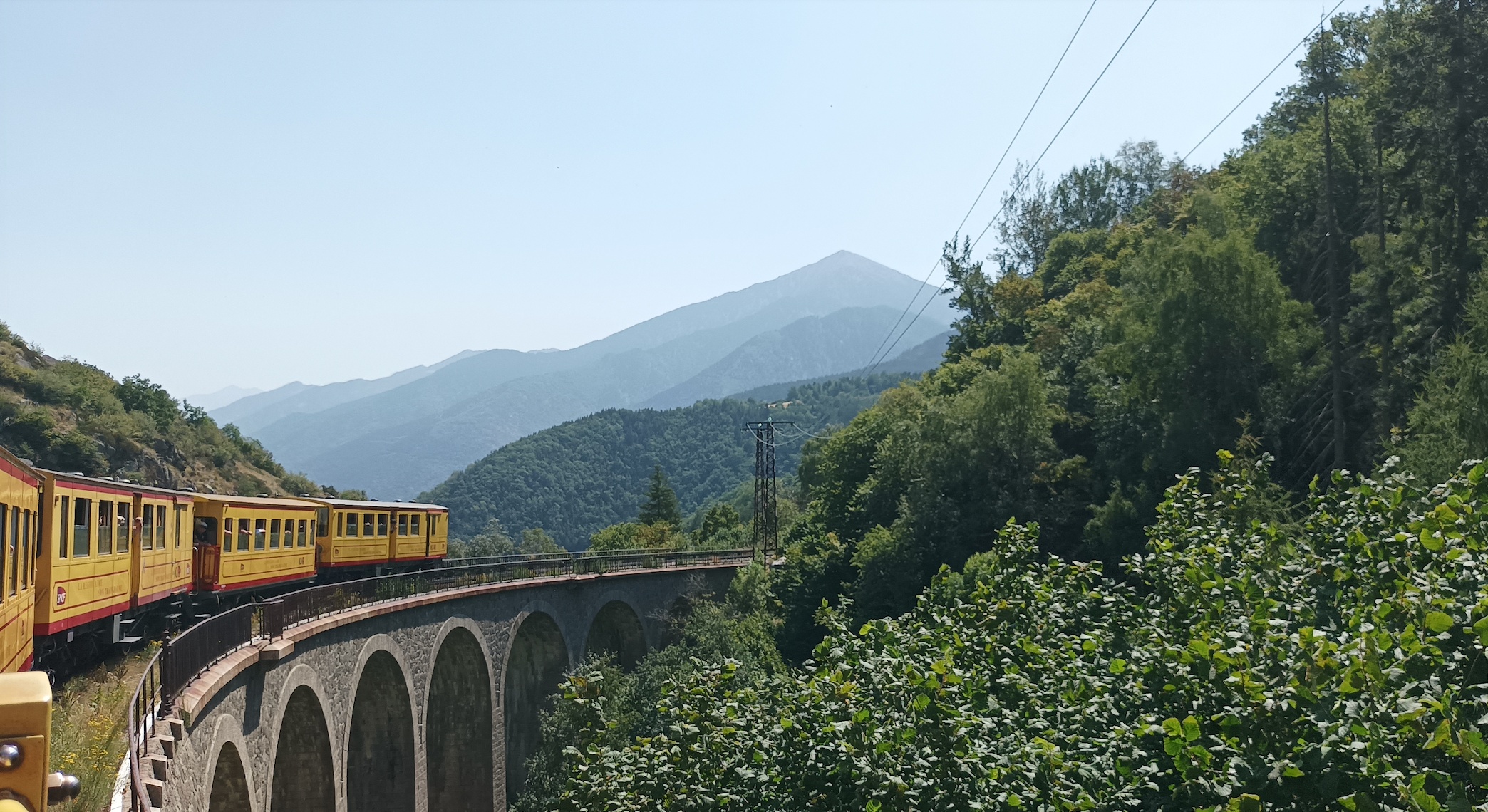
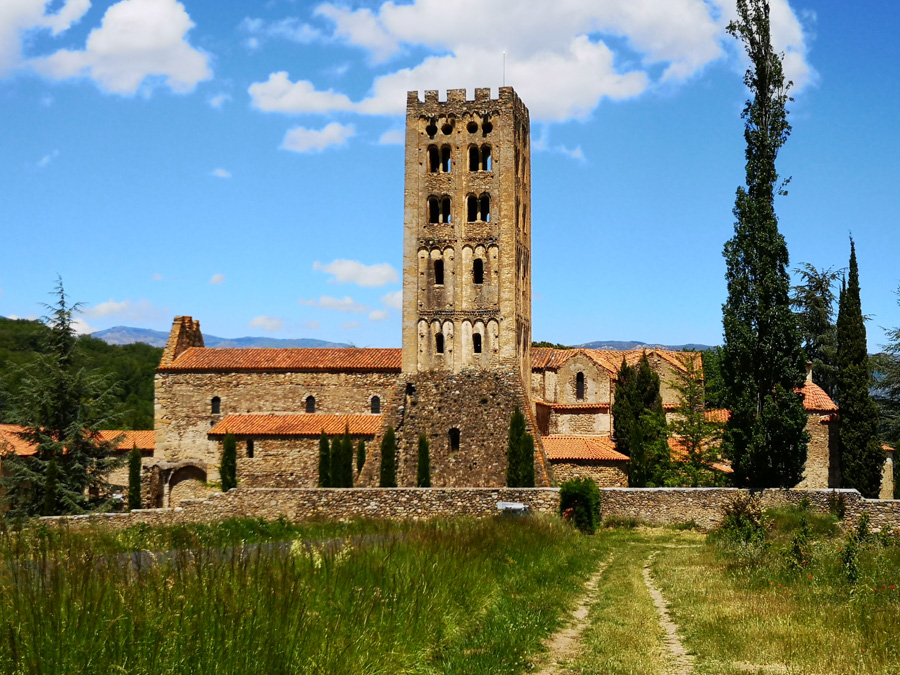
A day built around the iconic Yellow Train and mountain heritage. You start with a visit to Villefranche-de-Conflent, a fortified town and UNESCO World Heritage Site, before boarding the legendary Yellow Train for a panoramic ride to Mont-Louis. Depending on your mood, the day continues with a hike to the hot springs of Thuès, a climb to Fort Libéria, or a visit to the Abbey of Saint-Michel de Cuxa — a masterpiece of Catalan Romanesque art.
Day four
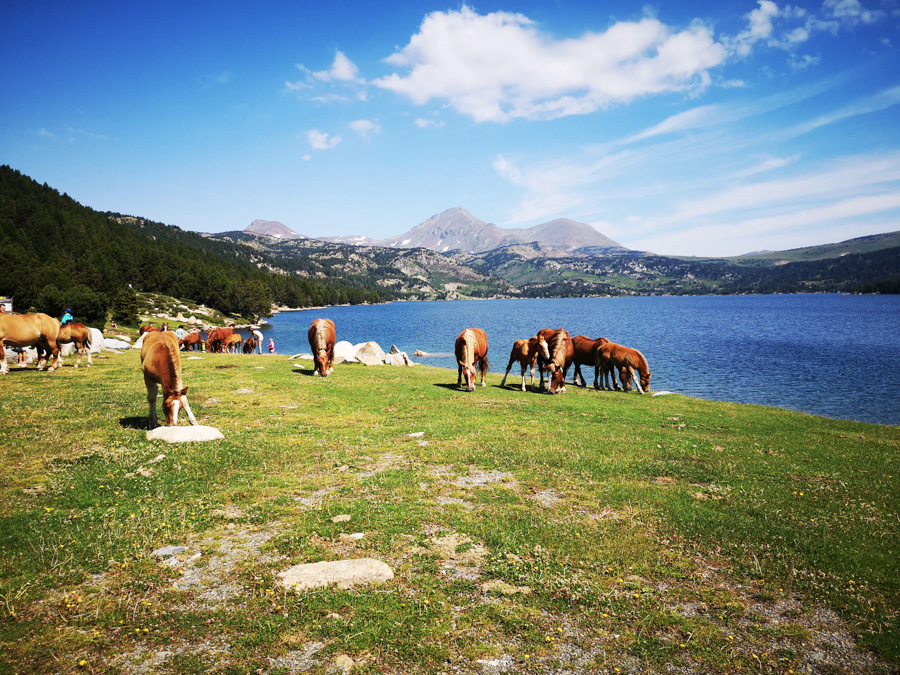
Head for the high Catalan plateaux and the Bouillouses lake, perched at nearly 2,000 metres. A gentle walk around the lake offers a sweeping panorama of the surrounding peaks. Come afternoon, you can take a dip in the natural baths of Saint-Thomas or set off to discover Font-Romeu and its “Museum Without Walls” — an open-air art trail facing the Pyrenees.
Day five
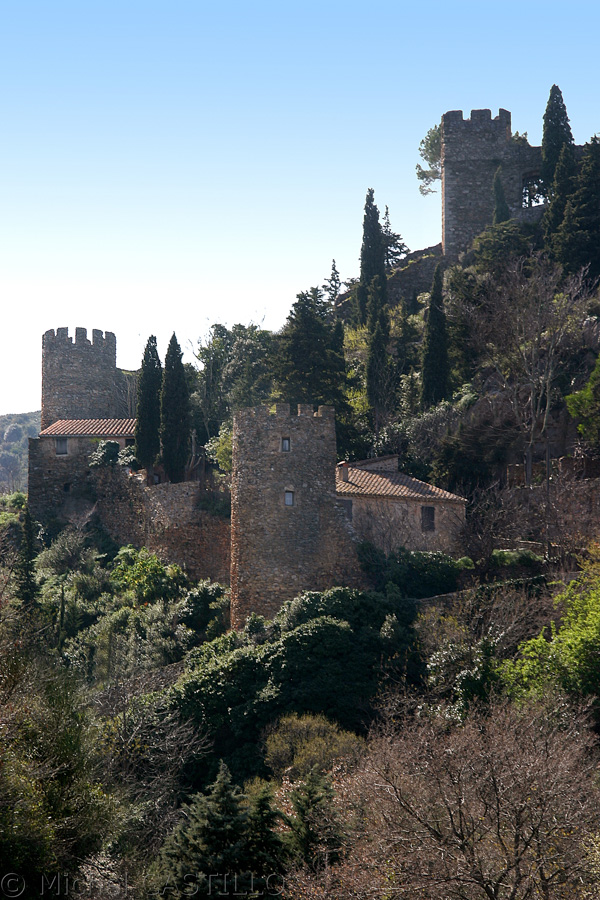
This fifth day takes you back down to the foothills, between characterful villages and artistic heritage. You wander through Castelnou, one of the Plus Beaux Villages de France, then discover the Caves Byrrh in Thuir — a remarkable piece of Catalan Art Deco heritage. The afternoon belongs to Céret and its Museum of Modern Art, before heading up the Vallespir valley to Prats-de-Mollo, with a well-deserved stop at Arles-sur-Tech for the celebrated rousquilles from the Touron patisserie.
Day six
You cross into Spain and enter the Camprodon valley, deep in the Upper Ripollès. The village of Molló and its Romanesque church mark your arrival in the Catalan Pyrenees. In Camprodon, you discover a mountain town of genuine charm, between its medieval bridge and stone lanes. Come afternoon, a walk along the Via Romana de Sant Pau de Segúries plunges you into a preserved pastoral landscape of meadows and beech forests.
Day seven
For this final stage, you step into the Garrotxa Volcanic Natural Park, one of the most remarkable volcanic landscapes in Europe. A gentle walk through the Fageda d’en Jordà beech forest or around the Croscat volcano reveals a startling scenery of craters and lush woodland. The route ends in Besalú, a spectacular medieval town whose fortified bridge spanning the Fluvià ranks among the finest Romanesque ensembles in Catalonia.
Points of interest
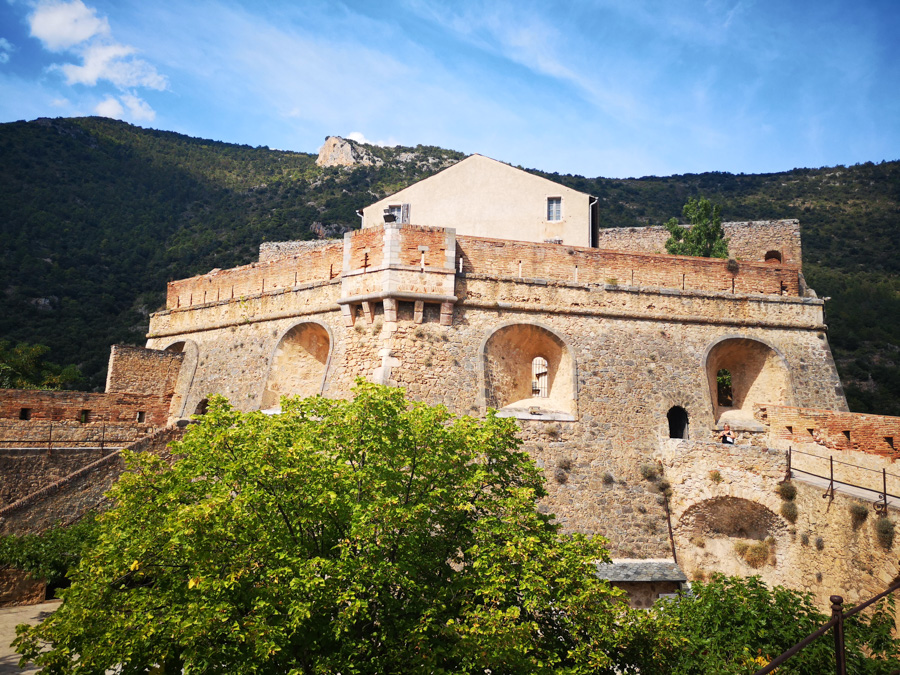
1
Villefranche-de-Conflent and Fort Libéria
Information
Vauban-fortified town, a UNESCO World Heritage Site, offering a spectacular immersion in mountain military architecture and a major historical insight into the Catalan Pyrenees.
Photo: © ADT66
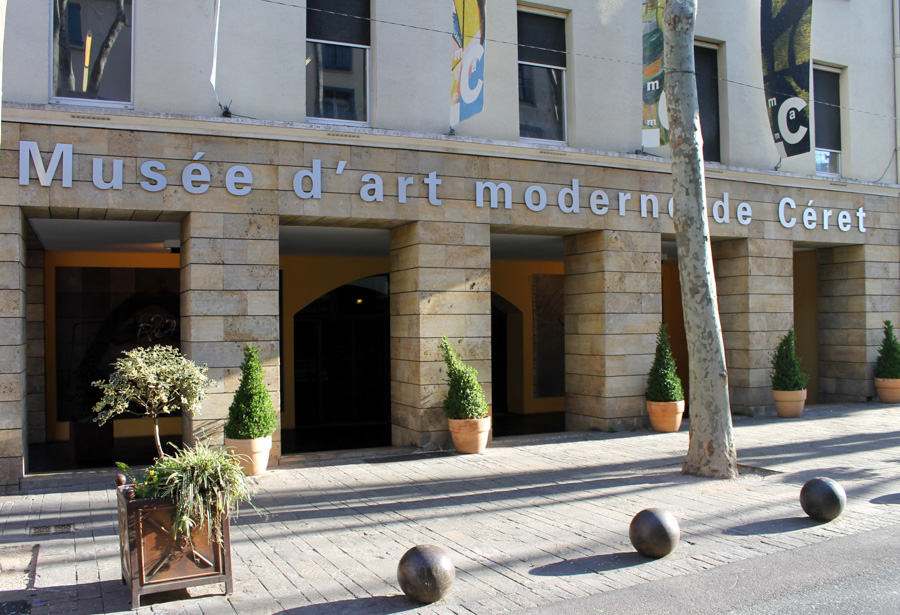
6
Céret and its Museum of Modern Art
Information
Art town in the heart of the Vallespir, home to a major modern art museum bridging Catalan tradition and 20th-century artistic avant-gardes.
Photo: © ADT66
2
Yellow Train
Information
Iconic panoramic train of the Catalan Pyrenees, a gentle heritage rail experience connecting villages and high plateaux in a slow and sustainable spirit.
Photo : © Emmanuelle Viala
7
Lac des Bouillouses
(listed site)
Information
Protected high-altitude natural site, offering peaceful walks and sweeping landscapes, ideal for a gentle immersion among lakes, forests and Pyrenean peaks.
Photo: © ADT66
3
Abbey of Saint-Michel de Cuxa
Information
Major Romanesque monastic site, a haven of peace and spirituality, offering a deep dive into medieval Catalan history at the foot of the Canigó.
Photo: © ADT66
8
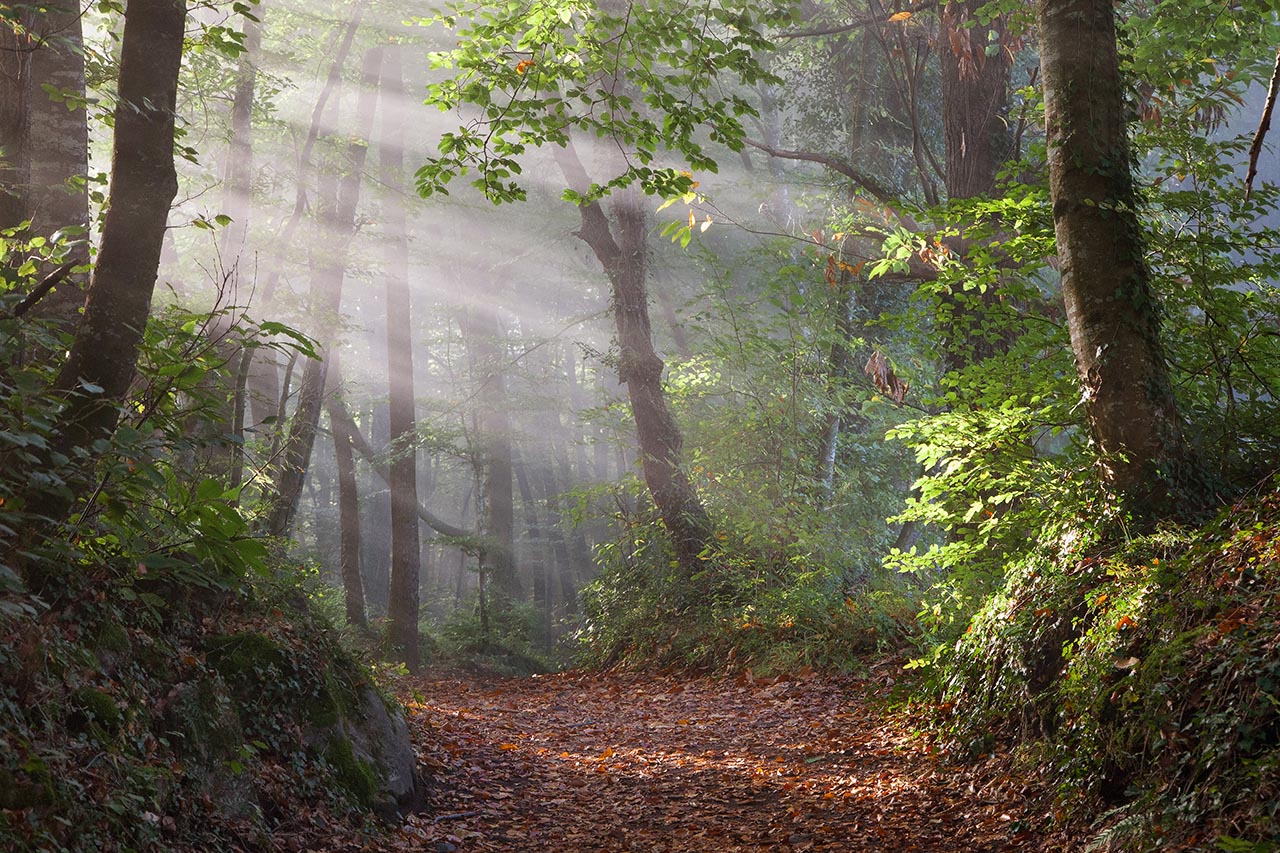
Fageda d'en Jordà (volcanoes, beech forests)
Information
Unique beech forest on volcanic terrain, offering a rare and soothing sensory experience in the heart of a singular natural landscape.
Photo : ©A CT Inmedia
4
Castelnou
(listed medieval village)
Information
Perfectly preserved medieval village with picturesque ramparts and lanes, offering a timeless atmosphere and an authentic insight into Catalan heritage.
Photo: © ADT66
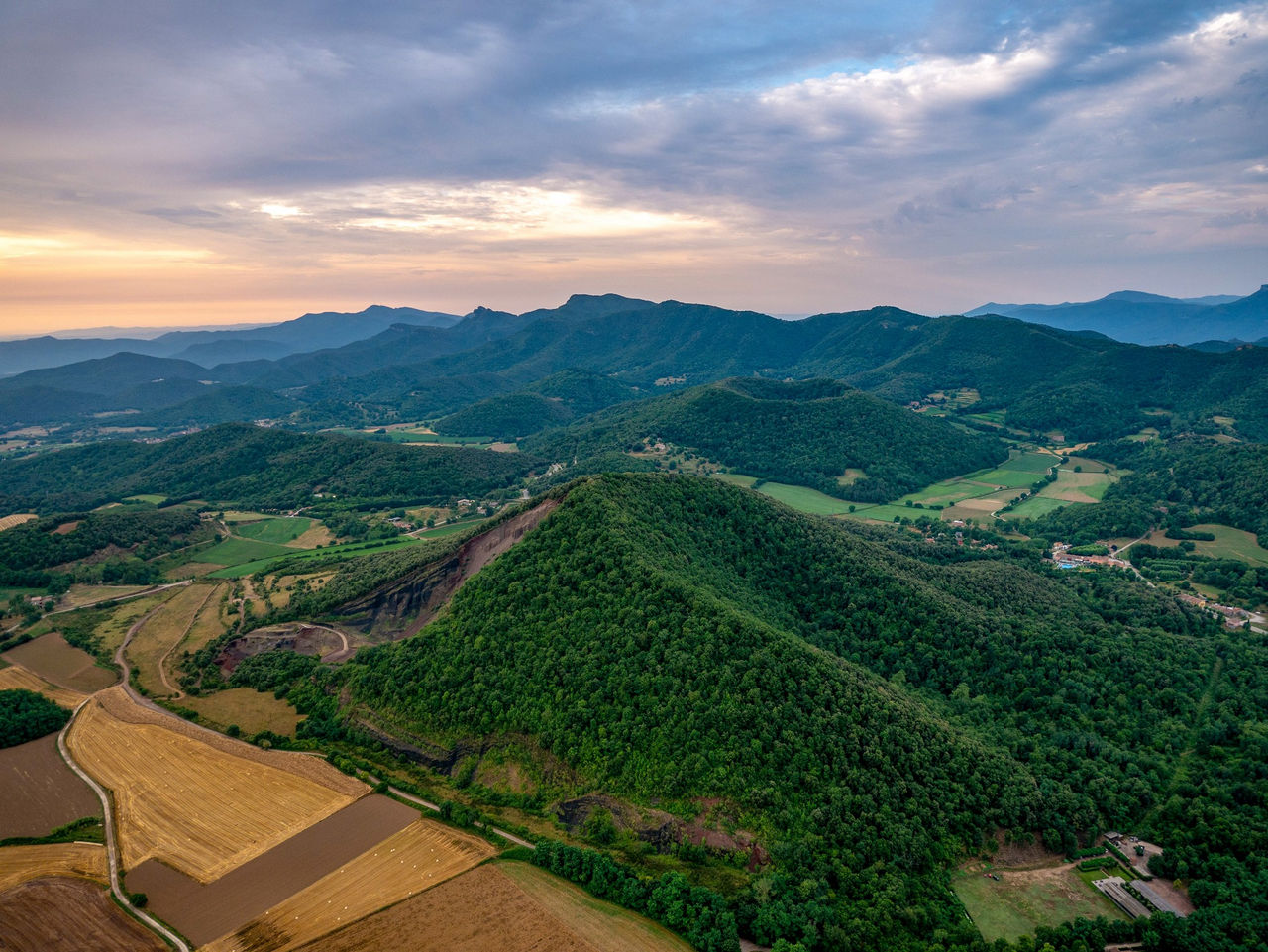
9
Garrotxa Natural Park
Information
Preserved volcanic territory blending craters, forests and villages, a European benchmark for nature slow travel and responsible landscape discovery.
Photo : © ACT Nicole Biarnes
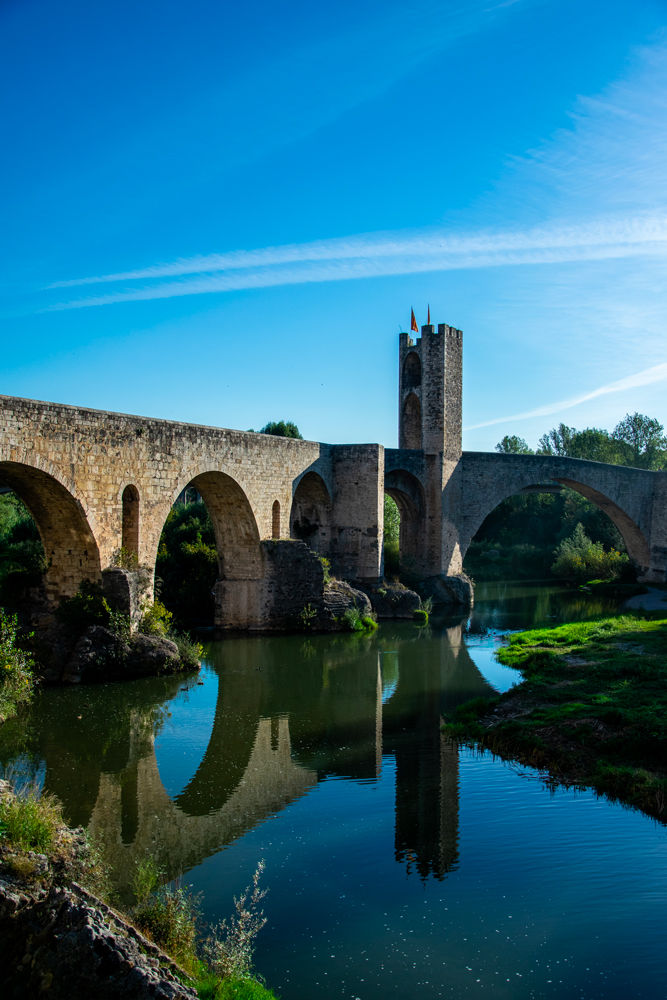
5
Besalú
(listed medieval village)
Information
Iconic Catalan village, famous for its Romanesque bridge and remarkable historical heritage, Besalú offers an authentic immersion into the history and atmosphere of villages of art and history.
Photo : © ACT
10
Pending
Information
Pending
Photo : ©
By plane
International access – Arrival (start of the route in Perpignan)
Barcelona Airport (BCN): main international hub, daily direct flights from Europe, North America and the Middle East.
→ Private transfer or direct train to Perpignan (≈ 2h30–3h).
Girona Airport (GRO): seasonal European flights (UK, Benelux, Germany).
→ Private transfer to Perpignan (≈ 1h30).
Perpignan Airport (PGF): seasonal or regular direct flights from Paris, Brussels, London (depending on period).
Montpellier Airport (MPL): Regional airport
→ Train or private transfer to Perpignan (≈ 1h30).
By train
TGV / AVE from Paris, Lyon, Brussels, or Barcelona to Perpignan (fast and comfortable connections).
End of route & departure
From Bourg-Madame / Bolvir
Private transfer to Barcelona (≈ 2h30) or Girona (≈ 2h).
Option to return via the Yellow Train + SNCF/TGV connection to Perpignan or Barcelona.
Eus (66)
Festa Major d’Eus: Late August
Prades (66)
Pablo Casals Festival: August
Mont-Louis / Cerdagne
Transhumance Festival: June or September
Villefranche-de-Conflent / Cerdagne
Yellow Train Festival: August
Thuir (66)
Byrrh Festival: October
Céret (66)
Cherry Market and Flower Festival: May
Perpignan
The Sanch Procession: Holy Week (March/April)
Besalú (Catalonia)
Holy Week in Besalú: April
Olot (Garrotxa)
Fageda d’en Jordà Festival: October
Vic / Olot (Catalonia)
Mercat del Ram: Holy Week
Olot
Fira de l’Embotit (cured meats): February
Across Catalonia
Sant Jordi Day (books and roses): April 23
Figueres (Catalonia)
Rahola Week (local culture): March
Molló and Camprodon
Saint Peter’s Festival: late June
Besalú
Besalú Medieval Market: September
Sant Pau de Segúries
Sant Pau Storytelling Festival: Summer
About 10 months of the year, from March to December, with seasonal adjustments.
Spring (March through June)
The ideal time to enjoy the blooming landscapes (Fageda d’en Jordà, vineyards).
Easy access to Lac des Bouillouses (outside of the summer rush).
Opportunity to attend cultural festivals (Pablo Casals Festival, local festivals).
Summer (July–August)
The program has been adjusted to include more activities at higher elevations (Bouillouses, Font-Romeu, Mont-Louis) to avoid the heat.
Advance reservations are required for accommodations and tours.
Emphasis on summer festivities and events (night markets, local festivals).
Fall (September–October)
The best time of year for nature walks, the grape harvest, fine dining, and fall colors.
Ideal for seniors and slow travel enthusiasts.
More peaceful visits (fewer crowds), soft light perfect for photography.
Winter (January–February)
: The route may be partially restricted (Lac des Bouillouses inaccessible, mountain weather conditions).
Possible adaptations with variations:
More cultural and spa activities (Byrrh, Céret, Saint-Thomas baths).
Focus on historic towns and villages.
Travel better, all year round
Travelling better means choosing a more respectful form of tourism towards the territories and those who make them thrive. Through these itineraries, the project invites you to slow down, to immerse yourself in the landscapes, to meet the locals and to appreciate local know-how, while adopting responsible and sustainable practices.

Meeting points with North-South getaways
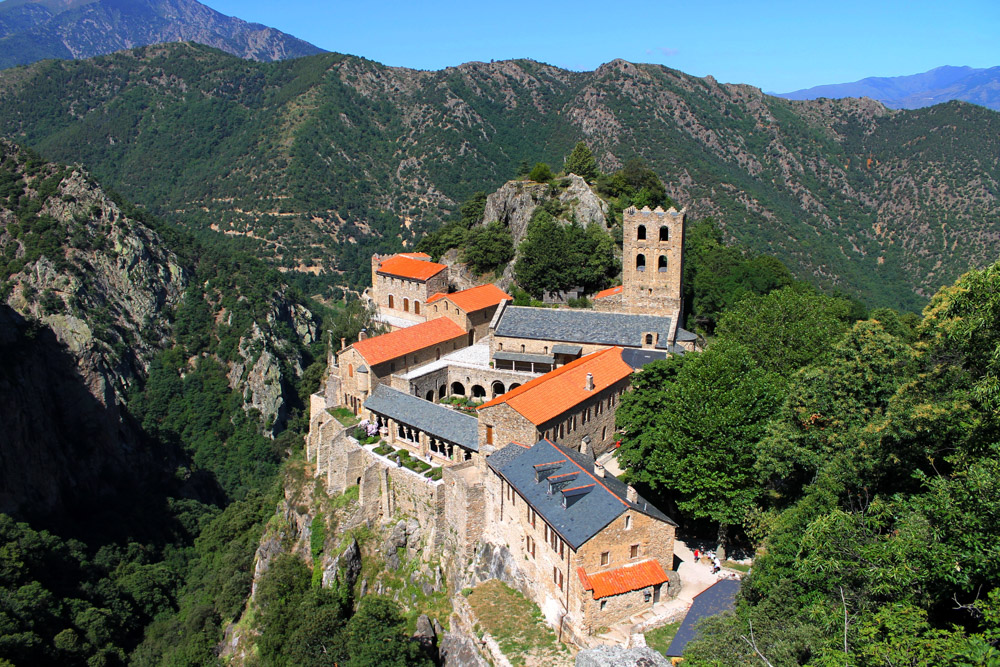
The Cultural Crossing
Information
- Mount Louis
- Camprodon
- Arles
- Villefranche de Conflent
- Perpignan