


The Great Pyrenean Traverse by Bike
A Pyrenean odyssey from pass to valley
Before you start:
Type of route
Cycling
1,520 kilometres
of adventure
34,000m D+
always higher
16 days / stages
of happiness
Difficulty
Accessible
Season
From June to September
Route presentation
The Great Pyrenean Traverse is an exceptional route that sends you pedalling around an unforgettable loop between the Mediterranean and the Atlantic.
The first half, from Collioure to Saint-Jean-de-Luz, takes you along the Hispanic side of the Pyrenees. From the Sierra de Cadí to the Hecho Valley, through Aragon, Navarre and finally the Basque Country, you ride magnificent roads punctuated by legendary passes, ancient monasteries and picture-postcard villages. Once in Saint-Jean-de-Luz, you tackle the French leg. Historic cols, high summits, forests and vineyards line this stretch before delivering you to the beaches of the Mediterranean coast.
Along the way, make sure you sample the region’s remarkable food-and-wine heritage. Paella, arròs negre, Aragonese milk-fed lamb, Teruel ham, piperade, Ossau cheeses, gâteau à la broche… Authentic flavours every step of the way.
Points of interest
1
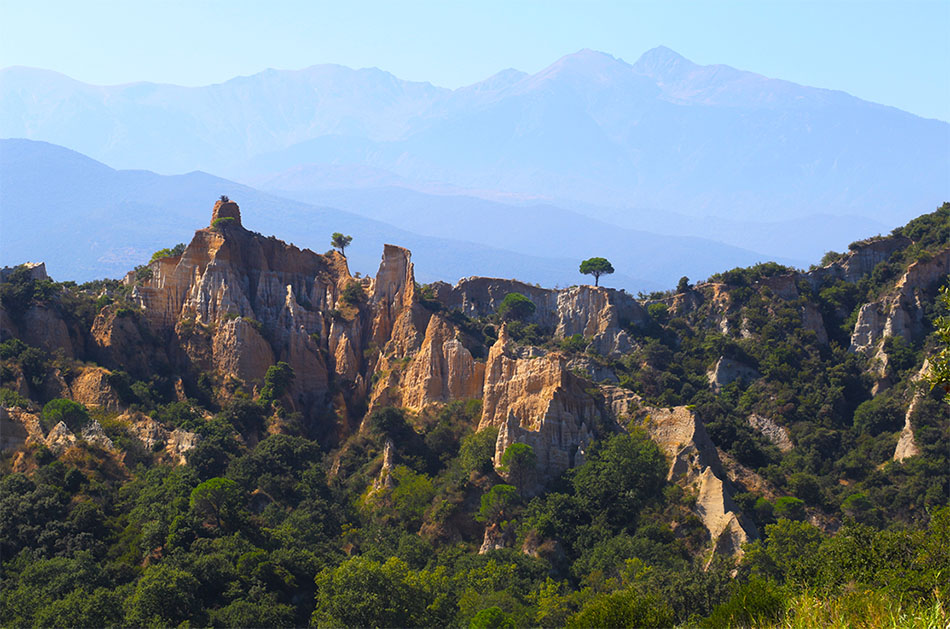
The Serra del Cadí-Moixeró
Information
The Cadí-Moixeró Natural Park is located in the southern foothills of the Pyrenees. The park encompasses the two great sierras of Cadí and Moixeró, which form an impressive mountain barrier approximately 30 kilometres long.
Photo: © ACT Rafa Perez
2
The Canigou massif
Information
The Canigou massif is the great Pyrenean massif closest to the Mediterranean Sea. Its imposing presence makes it a symbol of the Catalans. Visible from all over Catalonia, it was considered the highest point of the Pyrenees until the 19th century.
Photo: © ADT66
3
The Tour de France passes
Information
Among the iconic passes of the Pyrenees in the Tour de France, several have been climbed more than 50 times since 1910: the Tourmalet, Aspin, Aubisque, Peyresourde, and Soulor. The Col du Tourmalet (Hautes-Pyrénées), first climbed in 1910, is the most-used summit on the race route (84 times).
Photo: © Peio Gaillard – Guillaume Saenz
4
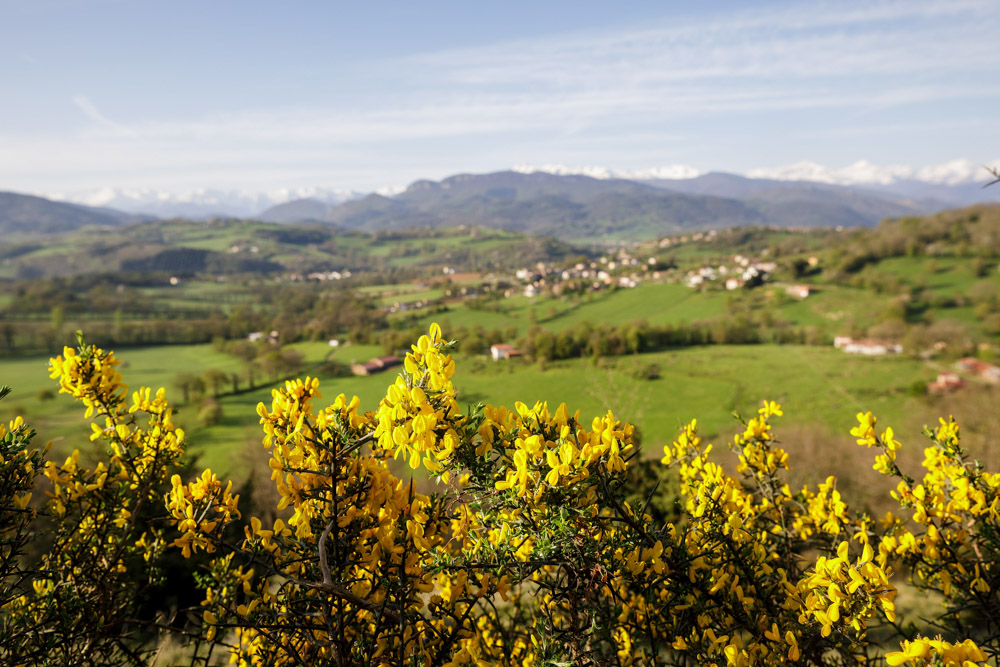
The Pyrénées Ariègeoises Regional Nature Park
Information
Lorem ipsum dolor sit amet, consectetur adipiscing elit. Ut elit tellus, luctus nec ullamcorper mattis, pulvinar dapibus leo.
Photo : © Stéphane Meurisse
5
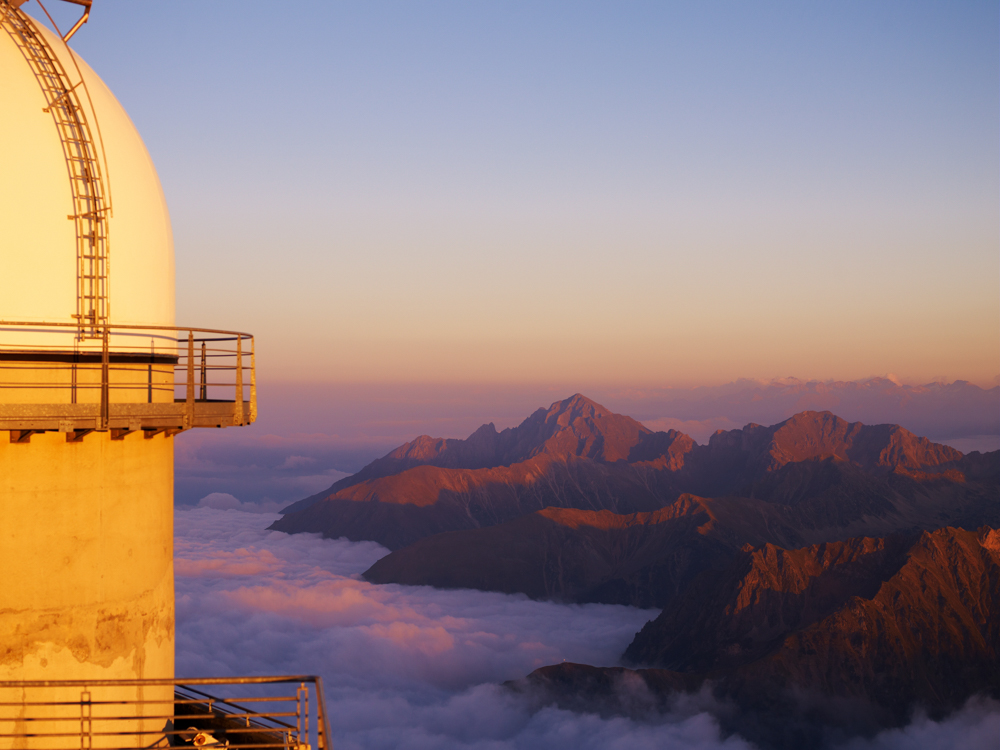
The Pic du Midi de Bigorre (Tourmalet)
Information
Between sky and earth, the Pic du Midi de Bigorre is the must-see of the Pyrenees. A Grand Site Occitanie, accessible in all seasons, its wide terraces perched at 2,877 metres offer a unique panorama over the entire Pyrenean chain and a large part of Occitanie.
Photo: © Dominique Viet
6
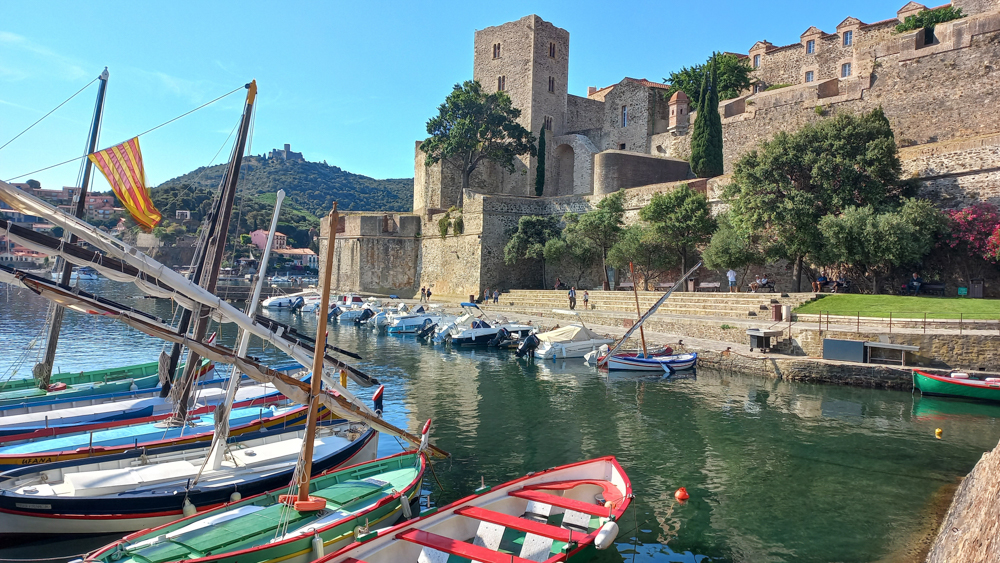
Collioure and the Royal Castle
Information
The Royal Castle is ideally located in the centre of Collioure. It is one of the town’s jewels. Listed as a Historic Monument as early as 1922, the first fortification on this site was a Roman castrum.
Photo: © ADT66
7
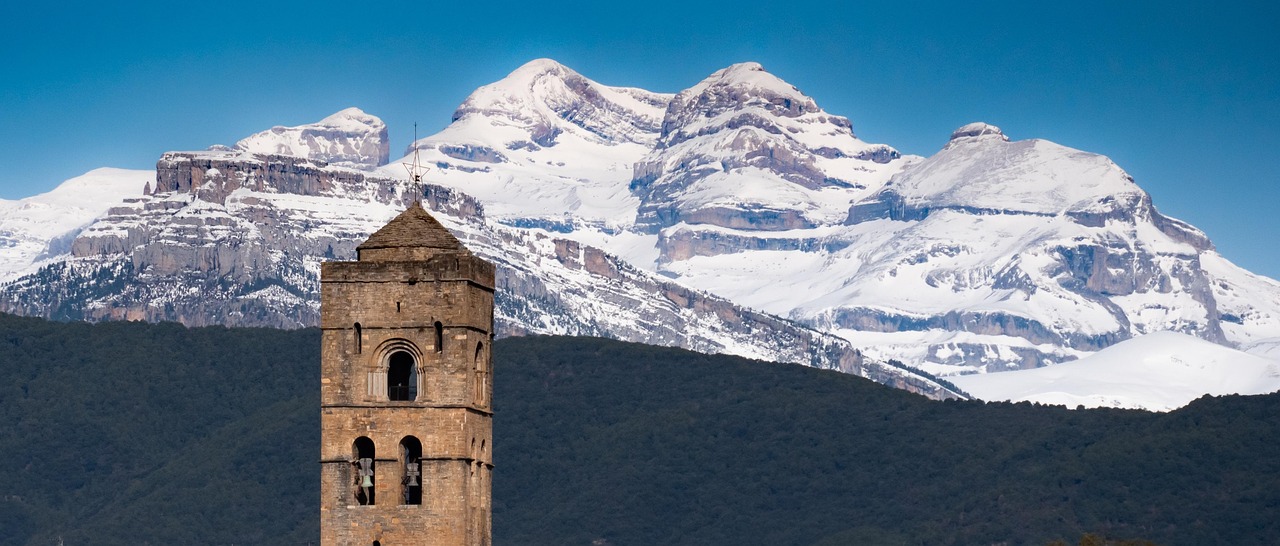
Aínsa and its medieval citadel
Information
Aínsa, a splendid medieval village. Built in the mid-11th century, the citadel served as a defence against Muslim invasion. Every two years in September, a dramatic re-enactment (la Morisma) celebrates the liberation of the town from the Moors in 724.
8
Saint-Jean-de-Luz
Information
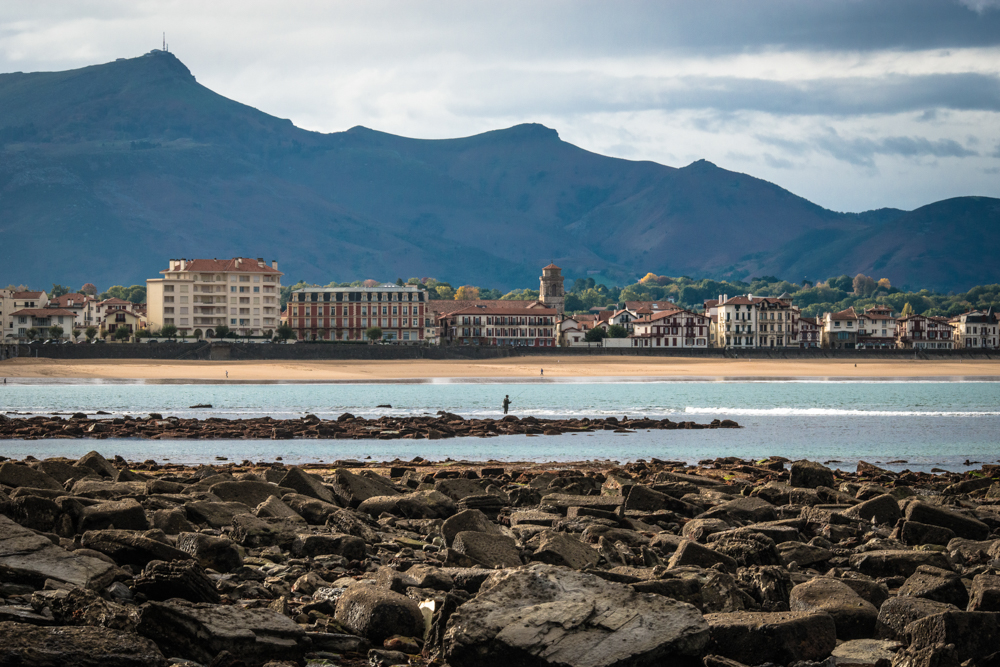
Nestled in the heart of a vast bay between ocean and mountain, Saint-Jean-de-Luz, the city of corsairs. Its pedestrian streets linking the ocean to the historic centre and its former mansions bear witness to its rich past and preserve the memory of the Sun King who married here in 1660.
Photo: © Mathieu Prat
9
Roncesvalles
Information
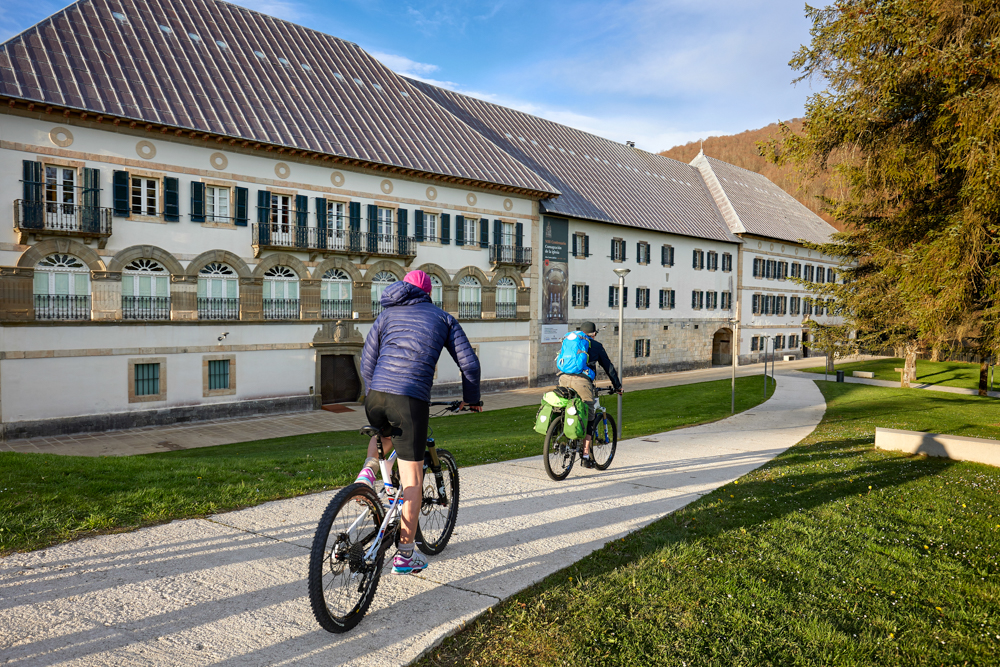
Roncesvalles is a village in the Spanish Pyrenees at 900 m altitude and an essential stop for travellers heading to Compostela via the Camino Francés. Clustered around its royal collegiate church, its monastery and various chapels, the village of Roncesvalles is a unique experience on the Way of St James.
Photo: © O.Conesa
10
Gósol
Information
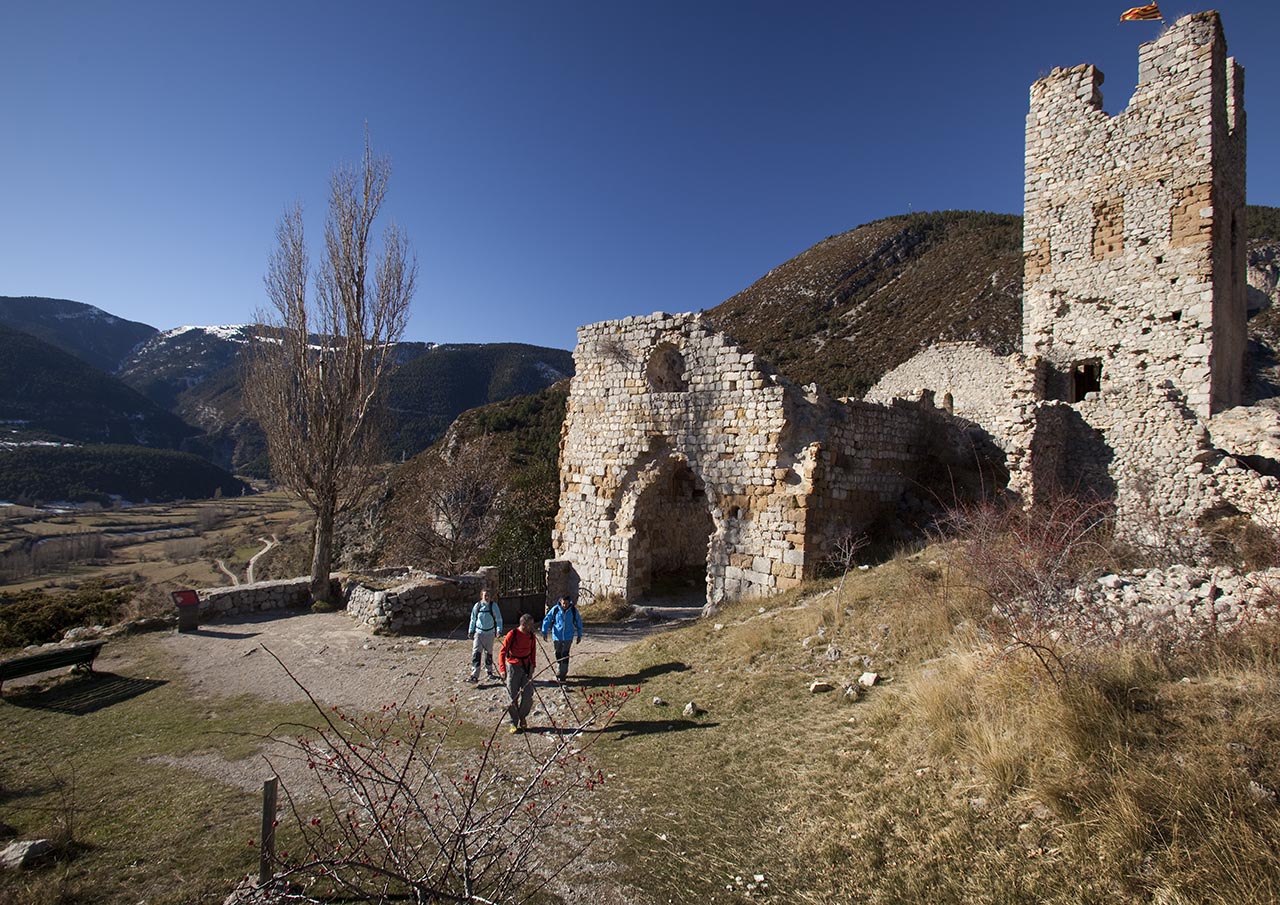
Located in the heart of the Catalan Pre-Pyrenees, Gósol is a charming village that invites visitors to discover its historical, cultural and natural richness. Enjoying a privileged location in the Berguedà region, Gósol offers a unique experience for those seeking to disconnect and immerse themselves in an authentic setting steeped in history.
Photo: © Daniel Julian
Stage descriptions
Freedom first: this route can be tailored to your needs, with the option to select specific stages.
Day 1
You leave the Mediterranean beaches behind and strike out for the Pyrenees and the border, crossing the Preste valley and tackling the Col d’Ares.
Day 2
A gentle climb towards the Coll de Merolla at 1,090 m, then you enter the famous Serra del Cadí massif along a cracking road that leads you from village to village all the way to Gósol.
Day 3
A first stretch through typically Mediterranean pine forest to reach the Coll del Cantó. Then, from La Noguera valley, a proper climb along an end-of-the-world road towards the Coll de Creu de Perves.
Day 4
You set off due south through La Noguera Pallaresa valley, quickly gaining height towards the Montcortés lake at 1,068 metres. Then comes the ascent of the Coll de la Creu de Perves at 1,335 metres. The run into Pont de Suert follows a balcony road high above the Escalès Lake.
Day 5
A mountain stage with jaw-dropping views of the Maladeta massif and the Aneto peak from the Espinas and Fadas passes. A more rolling second half takes you through the impressive Congosto de Ventamilla gorge and over the Coll de Foradada. Then it’s into the Ordesa National Park and on to Aínsa.
Day 6
A superb stage that kicks off with a crossing of the Sierra de Guara. You then follow the Río Gállego and climb onto a timeless plateau, home to the celebrated monastery of San Juan de la Peña. A one-hour transfer brings you to Roncal.
Day 7
Come morning, a climb to the Collada de Ariéros through the Sierra de San Miguel awaits. You then ride up the Roncal Valley to cross the Portillo de Lazar. The first Basque accents begin to ring out. You roll into Roncesvalles at day’s end — the famed staging post on theCamí de Sant Jaume.
Day 8
This stage is defined by the crossing of the Col de Saint-Ignace, which brings you into France. You ride through the French Basque Country before arriving in Saint-Jean-de-Luz. You’re halfway through your adventure\!
Day 9
A day when the passes come thick and fast\! You’ll tackle the Col de Saint-Ignace (169 m), the Col de Burdinkurutxeta (1,135 m), the Col Bagargiak (1,327 m) and the Col d’Orgambidesca (1,284 m).
Day 10
Three passes on the menu for this tenth stage: the Col de Marie Blanque (1,035 m), the Col d’Aubisque (1,709 m), and the Col du Soulor (1,474 m).
Day 11
A day that takes you along the legendary roads of the Tour de France, crossing the Col du Tourmalet (2,115 m) and the Col d’Aspin (1,489 m). Best of luck\!
Day 12
Fewer kilometres, but still plenty of climbing on this twelfth stage. Key features: the Col d’Azet (1,580 m) and the Col de Peyresourde (1,569 m).
Day 13
A gorgeous stage, crossing the Col de Menté (1,349 m), the Col du Portet d’Aspet (1,069 m), and the Col de la Core (1,395 m).
Day 14
The procession of passes continues, with the Col d’Agnès (1,570 m) and the magnificent Route des Corniches.
Day 15
The penultimate stage of this great adventure\! You cross the Col de Pailhères (2,001 m), the Col des Moulis (1,099 m), the Col de Garabeil (1,262 m) and the Col de Jau (1,506 m) before rolling into Prades.
Day 16
Three passes still stand between you and Collioure — and the end of this great Pyrenean odyssey\! After the Col Palomère (1,036 m), the Col Xatard (752 m), and the Col de Llauro (380 m), it’s all downhill to the Mediterranean.
Early June to late September
Access to the route is possible from early June to late September. This period is directly determined by the seasonal opening of the passes, which depends on weather conditions and snowfall, making cycling safe and practicable only during this window.
Start and finish in Collioure:
Perpignan Airport (PGF): seasonal or regular direct flights from Paris, Brussels, London (depending on period).
Train or private transfer to Collioure (≈ 30 min).
Girona Airport (GRO): seasonal European flights (UK, Benelux, Germany).
Direct transfer to Collioure (≈ 1 h).
Collioure SNCF station, connection with Perpignan and Barcelona.
Saint-Jean-de-Luz (mid-route)
Biarritz Airport (BIQ): seasonal or regular direct flights from Paris, Brussels, London, Milan, Dublin.
Private transfer to Saint-Jean-de-Luz (≈ 30 min).
San Sebastián Airport (EAS): seasonal or regular direct flights from Madrid, Nice, Brussels, Geneva (depending on period).
Bus to Saint-Jean-de-Luz (≈ 30 min).
Stage 1
Collioure: The Feast of Saint Vincent: 14-18 August
Stage 2
Ripoll: Feast of Sant Eudald, patron saint of Ripoll: 11 May.
Stage 3
Gósol: Harvest and threshing festival. Cathar fair and Gósol festival on the last weekend of July.
Stage 4
Sort: Festa Major de Sort on 31 July.
Stage 5
Pont de Suert: Vall de Boí hiking festival, 10-12 October.
Stage 6
Aínsa: Festival Castillo de Aínsa in late June. Traditional music.
Stage 7
Roncal Isaba: Day of the Alpargateras Golondrinas: traditional festival on 6 October.
Stage 8
Roncesvalles: On 15 August, the Battle of Roncesvalles and Assumption Day celebrations.
Stage 9
Saint-Jean-de-Luz: Basque fishing boat and technique fair in late October. Les Casetas de Saint-Jean-de-Luz; Whitsun weekend Sevillanas dance festival.
Larrau: local festival of Larrau on 21 June.
Pablo Casals Festival in Prades, late July: Classical music.
Stage 10
Argelès-Gazost: the Tuesday market.
Stage 11
Saint-Lary-Soulan: Pyrénées Cycl’n Trip around 20 July: roads closed and reserved for cyclists.
Stage 12
Massat or Seix: Transhumance festival on 14 June.
Stage 13
Ax-les-Thermes: Festival of Flavours in early September. Festival of Great Trails in late July.
Travel better, all year round
To travel better is to choose tourism that shows greater respect for the regions and the people who bring them to life. Through these routes, the project invites you to slow down, immerse yourself in the landscapes, meet the locals and celebrate local know-how, while adopting responsible and sustainable practices.