

The Bonshommes Trail
Hiking through Cathar country
Before you set off:
Type of route
Hiking
220 kilometres
of adventure
9,800 m elevation gain
ever higher
10 days / stages
of happiness
Difficulty
Accessible
Season
April to October
General presentation
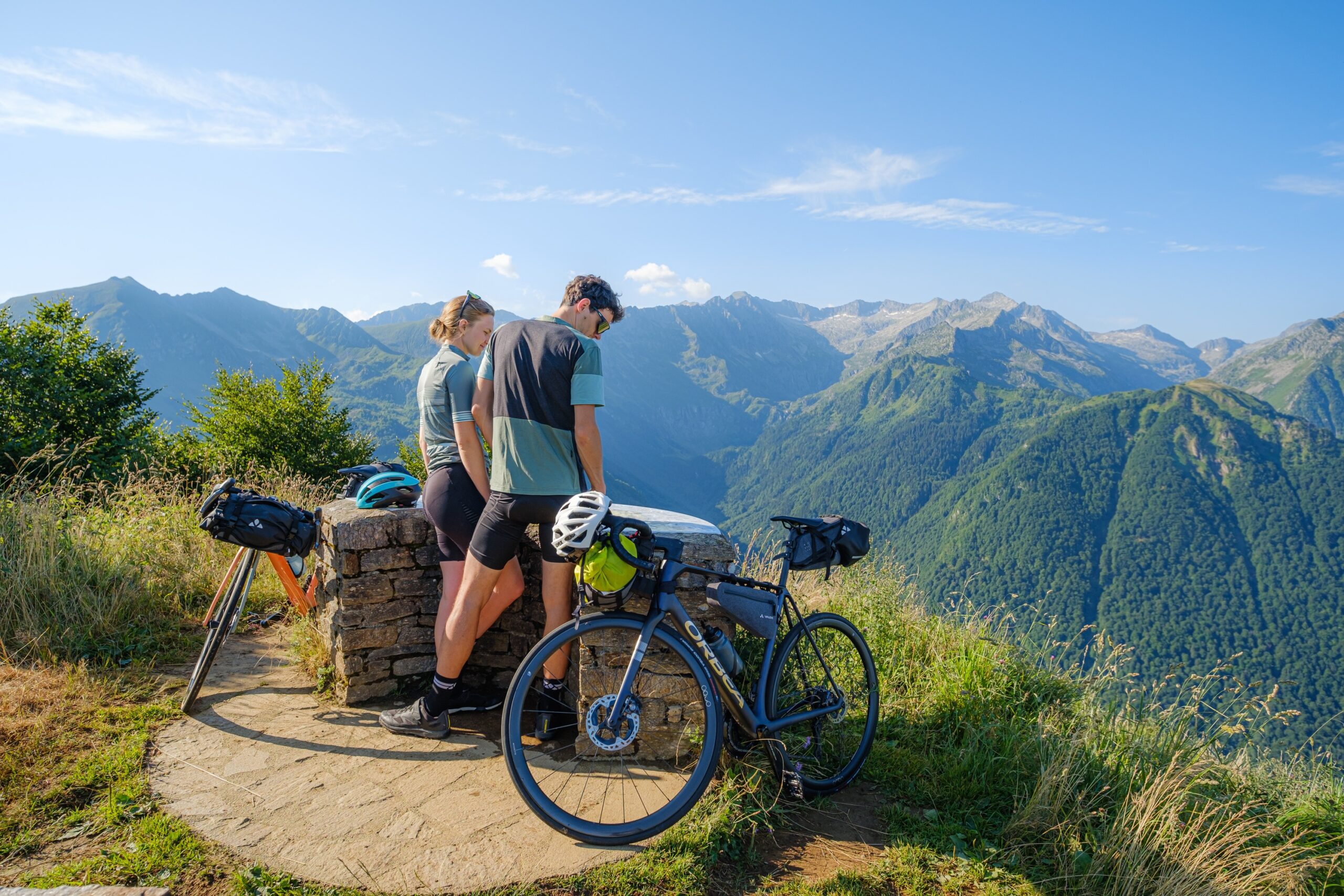
The Bonshommes Trail invites you to follow in the footsteps of the last Cathars and cross the Pyrenees on foot.
Cast your mind back to the Middle Ages, when the Pyrenees were a major crossroads of trade and cultural exchange on the fringes of the kingdoms of France and Spain. It was during this era that the Cathar faith took hold and gained a devoted following. And with success came enemies. The Church stepped in and drove out the Cathar apostles — known as “Bonshommes” — who fled the lands of Ariège and the Inquisition to seek the protection of Catalan lords.
It is in their footsteps that you tread along this magnificent and unspoilt route between Ariège and Catalonia. Nine days of hiking through mineral fortresses, sanctuaries, former Cathar strongholds and hilltop castles. A world away from the everyday!
Stage descriptions:
Freedom first: this route can be tailored to your wishes, with the option of selecting specific stages.
Day by day
Your adventure begins in the famous “Pink City,” Toulouse, seat of the Counts of Toulouse who played a pivotal role in the turbulent history of the Cathars. A visit to the Jacobins’ Cloister and the Basilica of Saint-Sernin — a masterpiece of Romanesque art — sets the historical scene for the crossing ahead.
First day
This stage starts near the Pech de Foix. Exploring the forests of Pradières fills this first day of hiking, which ends at the Château de Roquefixade with a breathtaking view over the peaks of the Tabe massif.
Second day
After visiting the Château de Roquefixade and taking in the superb panorama over the mountains of the Pays d’Olmes, you walk through the forest towards the Château de Montségur — one of the most important Cathar sites.
Third day
You can begin the day with a visit to the Château de Montségur. This stage marks the transition from the Montségur area to the Pays de Sault, where Mediterranean influences begin to make themselves felt. The forest gives way to the Gorges de la Frau, then the Sault plateau.
Fourth day
A fine stage that takes you to the Col de Balaguès, where a superb panorama over the entire central Pyrenean chain unfolds before you. You then pass through the village of Montaillou, whose castle was the last Cathar stronghold in Upper Ariège.
Fifth day
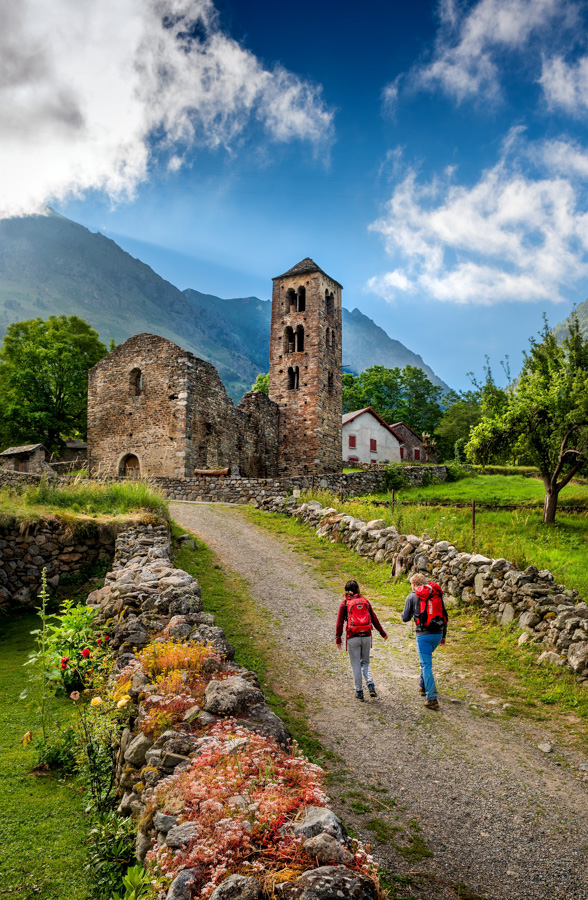
The crowning moment of this day is the ascent to the Col de Joux via the Orlu valley. From the top of the pass, a full 360° panorama opens before you! Once in Mérens, don’t miss the hot springs, tucked away in an unspoilt spot. In the village, you’ll also find an 11th century Catalan-style Romanesque church.
Sixth day
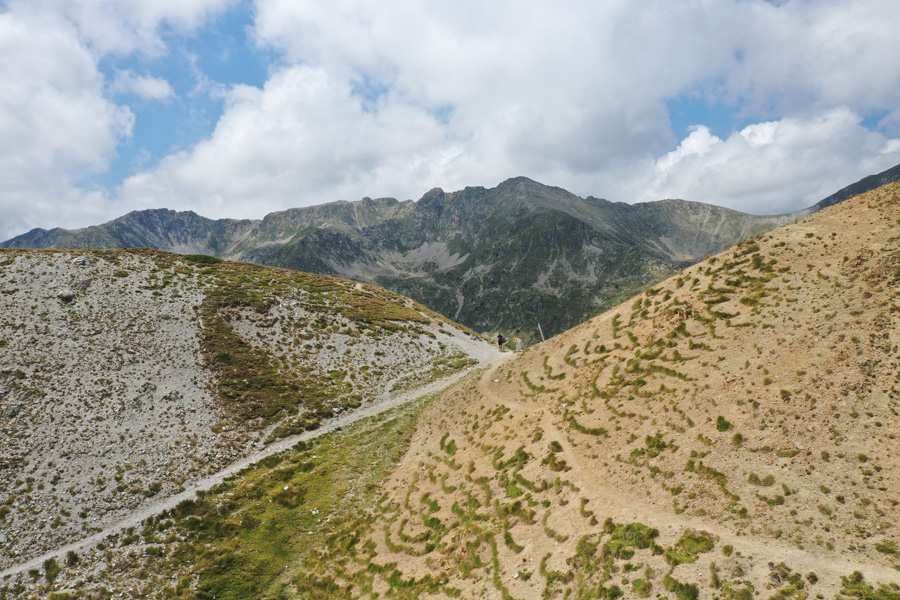
The pastoral Campcardos valley sets the scene for the first half of the day, leading to the tri-national border (France, Spain, Andorra) at the Portella Blanca (2,517 m). Then come the Coll Dels Isards and the Pic Negre d’Envalira, followed by a transfer to Bellver de Cerdanya from Porta.
Seventh day
After crossing the Serra del Cadí, the vegetation turns more Mediterranean; the scents change. The terrain eases within the Cadí-Moixeró Natural Park. The stage ends at the Sant Jordi mountain refuge.
Eighth day
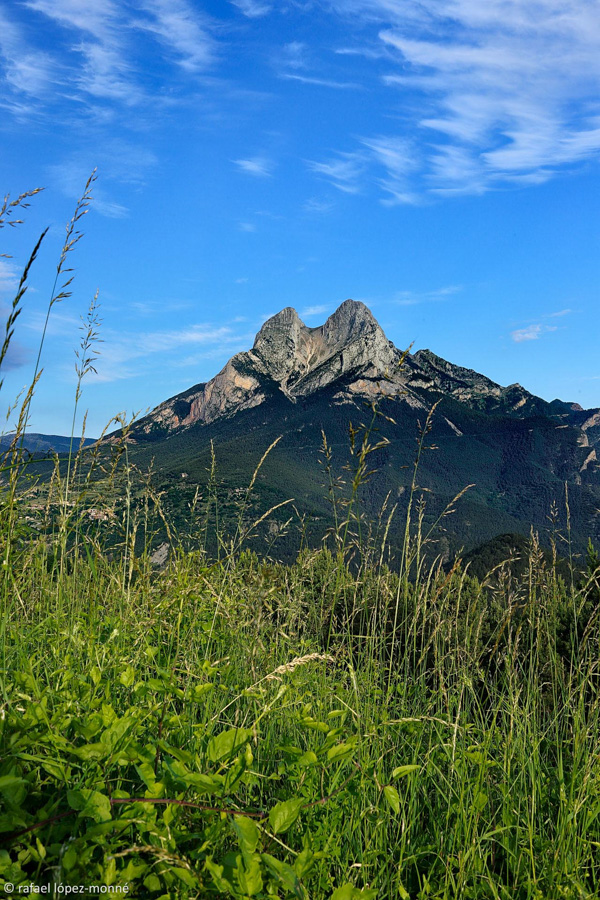
Passing at the foot of the Pedraforca — a mineral fortress of a mountain — the parallel with the Castell de Gósol is unmistakable: it once guarded a region where the Cathars sought shelter. This day is a genuine journey back in time, ending in the ancient village of Gósol, in the heart of the Cadí-Moixeró Natural Park.
Ninth day
After a transfer from Gósol to Fumanya, this final stage leads you to the Sanctuary of Queralt through Mediterranean forest before finishing in Berga, where many Cathars from the Languedoc once found refuge. In the distance, the mountains of Montserrat shimmer on the horizon.
Points of interest
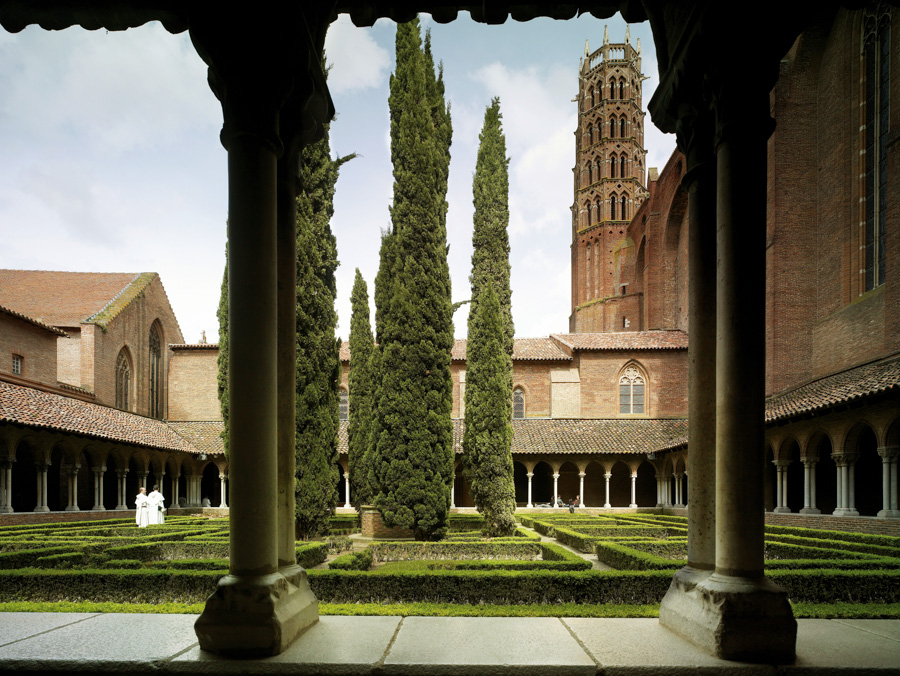
1
Jacobins Museum & Cloister and Basilica of Saint-Sernin
Information
Located in the heart of Toulouse, the Jacobins Convent invites you on a unique journey through over 800 years of history: Gothic architecture in pink brick, a lush planted cloister, 13th-century preserved murals, relics of Saint Thomas Aquinas…
Photo: © Dominique Viet
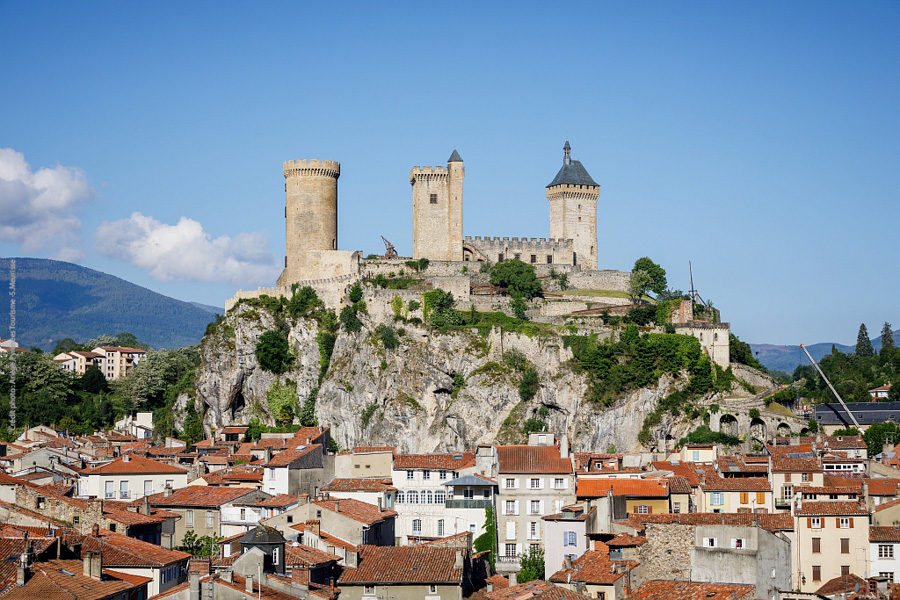
2
Château de Foix
Information
The Château de Foix is a 12th-century fortress whose origins appear to date back to the 10th century. It was remodelled several times and superbly restored in the 19th century. It stands proudly on a rocky outcrop overlooking the town of Foix in the department of Ariège.
Photo: © Stéphane Meurisse
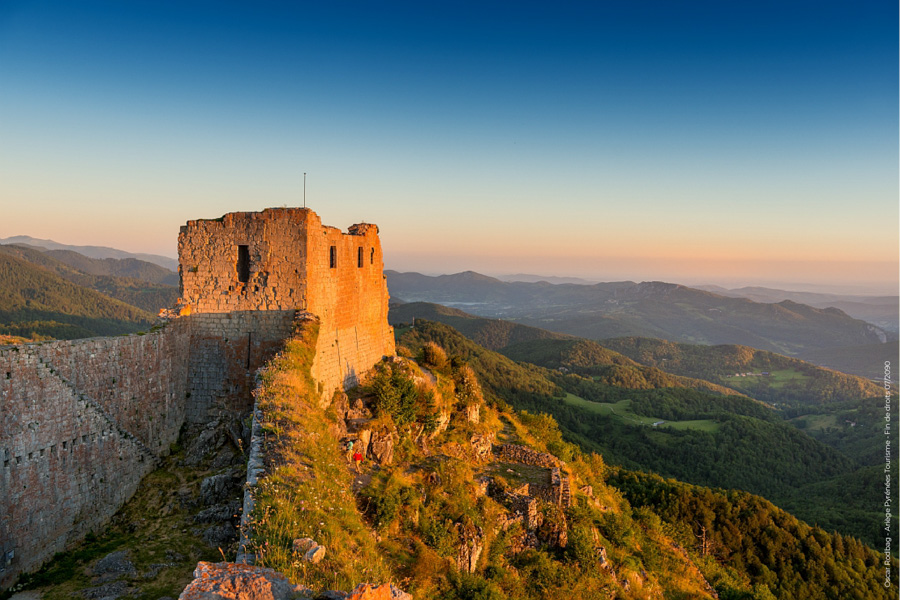
3
Château and Museum of Montségur
Information
Set in the Pyrenees at an altitude of 1,207 m atop a rocky pinnacle (the pog), the Château de Montségur stands as the highest of the royal fortresses of the Languedoc. The museum displays finds from excavations at the historic castle site.
Photo: © Oscar Rodbag
4
Sault Plateau
Information
The Sault plateau is a natural area situated between 990 and 1,310 metres above sea level, in the heart of the Audois Pyrenees. It is known for having been a key centre of Occitan Catharism and for its magnificent royal forests.
Photo: © David Genestal
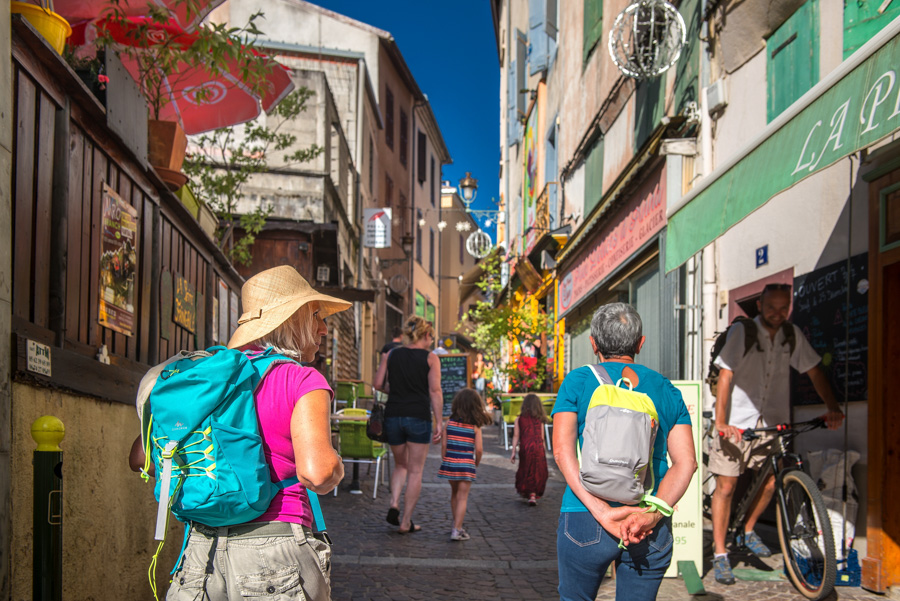
5
Ax-les-Thermes
Information
Ax-les-Thermes, renowned since antiquity for its thermal waters, delights lovers of winter sports and wide-open spaces alike. After the exertion comes relaxation at the famous Couloubret baths.
Photo: © Oscar Rodbag
6
Mérens Les Vals
Information
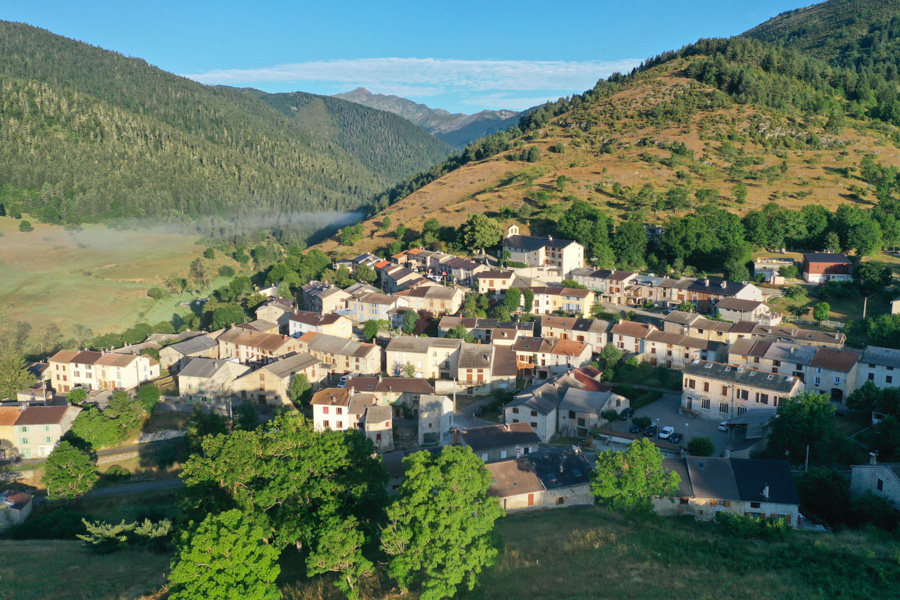
Mérens-les-Vals, a Pyrenean village in Ariège, charms with its mountains, natural hot springs, hiking trails, Romanesque heritage and peaceful authenticity in the heart of the Ariège valley.
Photo: © Oscar Rodbag
7
The tri-national border at the Portella Blanca
Information
At the Portella Blanca pass, at over 2,500 m altitude, three nations meet: France, Spain and Andorra. This symbolic place has embodied for centuries the exchanges, pastoral crossings and balance between different yet closely linked Pyrenean cultures.
Photo: © David Genestal
8
Pedraforca
Information
The Pedraforca, an iconic mountain of Catalonia, stands out for its fork-shaped silhouette, its sheer cliffs, its impressive scree slopes and its mythical aura that draws hikers and climbers alike.
Photo: © Rafael Lopez
9
Cadí-Moixeró Natural Park
Information
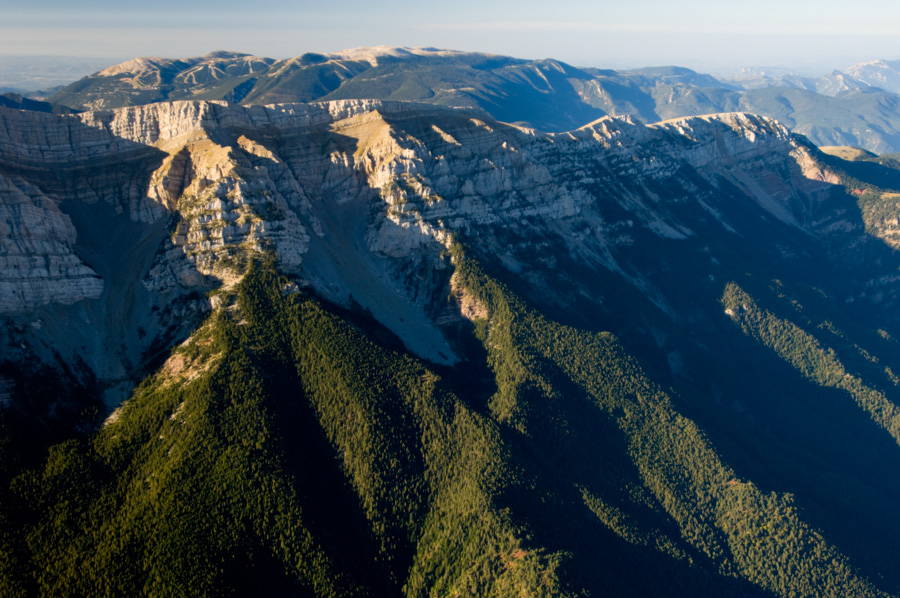
The Cadí-Moixeró Natural Park, located on the foothills of the Pyrenees, is split between Alt Urgell, Cerdanya and Berguedà. The park encompasses the two great sierras of Cadí and Moixeró, which form an impressive barrier of around 30 kilometres between Catalonia to the south and the Pyrenees to the north.
Photo: © Phtosfera
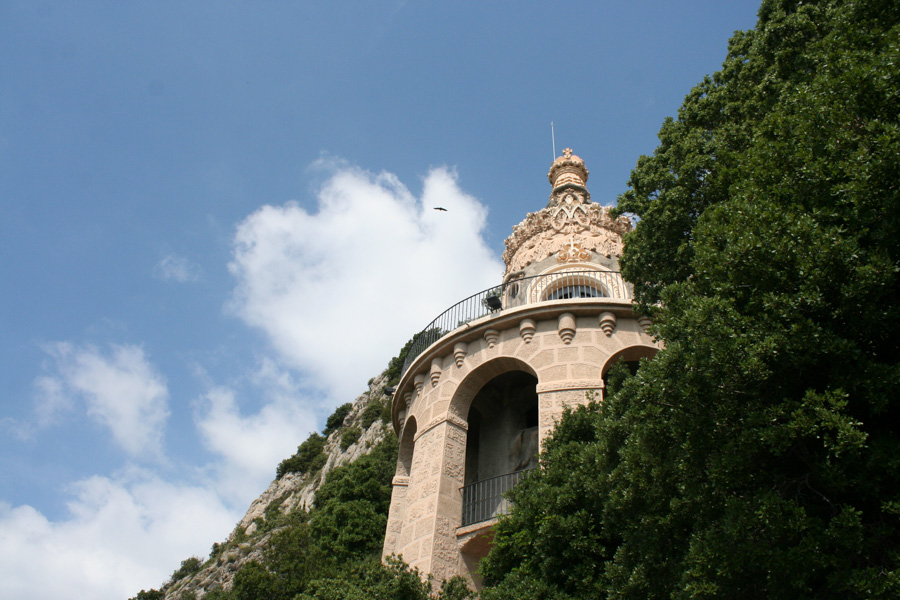
10
The Sanctuary of Queralt
Information
The Sanctuary of the Mare de Déu de Queralt, perched at 1,200 metres, is a balcony above the town of Berga and the Barcelona plain. Three buildings stand out at Queralt: the old inn, the sanctuary and the Cova church, where the Virgin appeared in the 11th century.
Photo: © Caroline Bayard
Departure from Toulouse
Accès international – Arrivée (début du parcours à Toulouse)
Par avion :
Aéroport de Toulouse (TLS) : principal hub international, vols directs quotidiens depuis l’Europe, l’Amérique du Nord, le Canada et le Moyen-Orient.
Transfert en train à Foix (≈ 1h20).
Aéroport de Perpignan (PGF) : vols directs saisonniers ou réguliers depuis Paris, Bruxelles, Londres (selon périodes).
Par train :
Train ou transfert privé vers Toulouse (≈ 2h30).
End of circuit in Barcelona
Aéroport de Barcelone (BCN) : principal hub international, vols directs quotidiens depuis l’Europe, l’Amérique du Nord, Amérique Latine et le Moyen-Orient.
Aéroport de Gérone (GRO) : vols européens saisonniers (UK, Benelux, Allemagne).
TGV et de nombreuses connections ferroviaires
Lignes de bus desservant toute l’Espagne.
Stage 1
Salon vins et terroirs en octobre. Festival Passes ton Bach en juin, musique autour de Bach.
Stage 2
Foix Terre d’Histoire au mois d’aout, Festival de films Résistances en juillet, Jazz à Foix en juillet.
Stage 3
Projet Grand site de France Montségur : animations ponctuelles autour du château.
Stage 5
Festival des saveurs début septembre. Festival de grands Chemins fin juillet.
Stage 7
Foire artisanale Bellver de Cerdanya : début octobre.
Stage 9
Foire cathare et fête de Gosol le dernier week-end de juillet.
Stage 10
La Patum de Berga fin mai.
Outside the main cities on this route, the other destinations remain little known. The busiest period falls in June, July, August and September in Bayonne and Pamplona. The other areas see no excessive crowds, even in high season.
Travel better, all year round
Travel better means choosing tourism that is more respectful of the regions and the people who bring them to life. Through these routes, the project invites you to slow down, to immerse yourself in the landscapes, to meet the locals and to champion local know-how, while adopting responsible and sustainable practices.

Meeting points with North-South getaways