


Sustainable tourism best practices
Travelling better means choosing tourism that is more respectful of the land and the people who bring it to life. Through these routes, the project invites you to slow down, immerse yourself in the landscapes, meet the locals and celebrate traditional know-how — all while adopting responsible, sustainable practices.
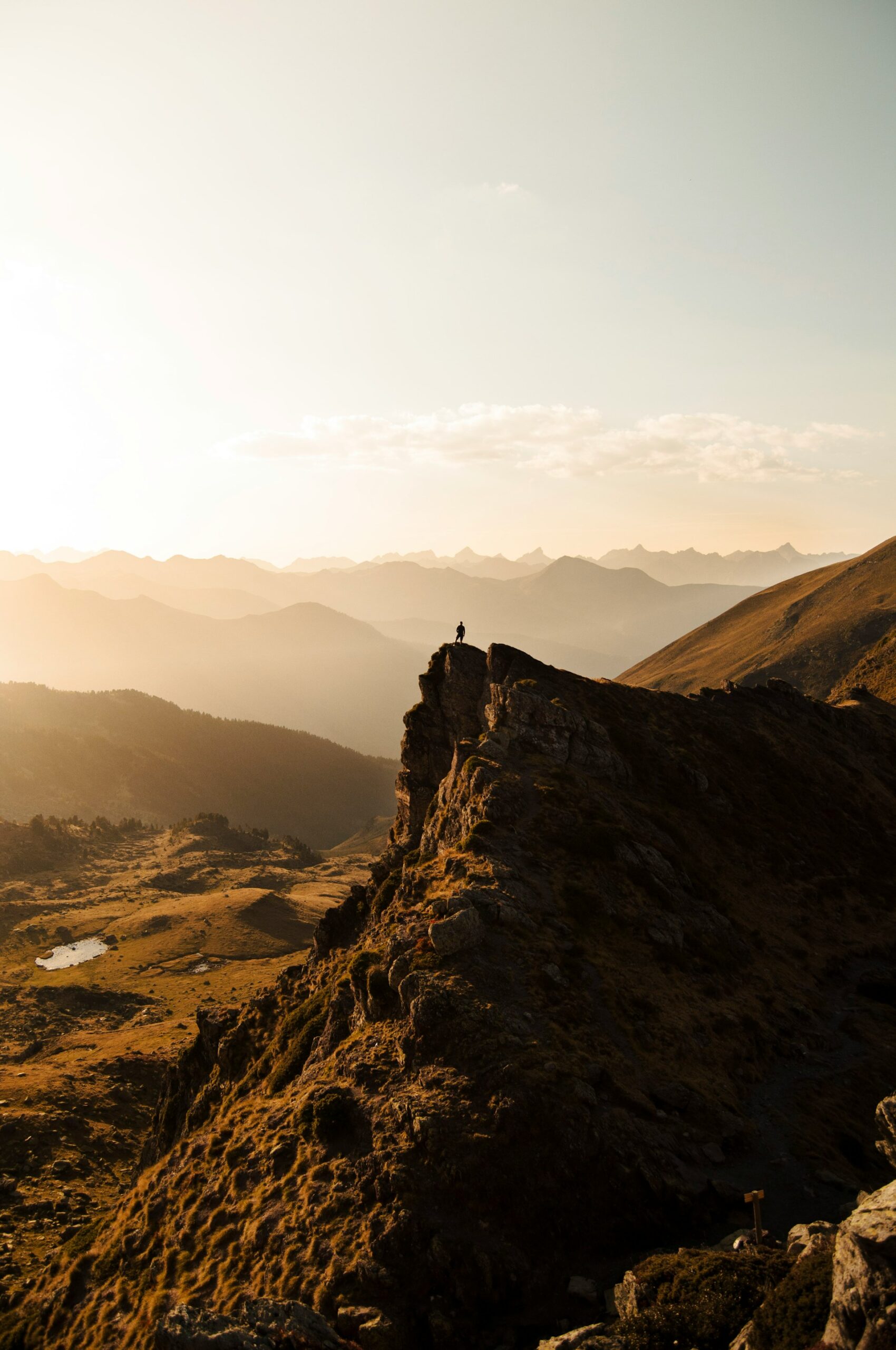
Travel better, all year round
Our routes are designed to be travelled throughout much of the year, steering clear of peak periods. We encourage off-season travel, with tailored activities, local cultural events and authentic experiences far removed from mass tourism.
This helps preserve natural sites, better distribute visitor flows and allow you to experience the region in more peaceful conditions.
Protect the land
and ease pressure on sensitive sites
We offer alternative routes and lesser-known spots when certain sites are in high demand. Forests, natural parks and villages can thus be discovered differently — via secondary trails, more secluded stops and personalised experiences, often in small groups.
Promote more sustainable mobility
The routes we have developed combine hiking, cycling, train travel and road trips. When a vehicle is needed, we encourage electric or hybrid options, as well as intermodal connections with public transport — particularly via train access, which is available for some of the itineraries.
Support the local economy
Each route highlights local expertise and stakeholders: committed accommodation providers, producers, artisans, restaurateurs and regional guides.
By favouring short supply chains, local products and longer stays, we contribute to a fairer distribution of economic benefits and a stronger bond with the regions we travel through.
Raise awareness for more responsible tourism
Throughout the journey, travellers are encouraged to adopt simple habits: reducing waste, using reusable items, respecting natural spaces and local cultures. Guides, producers and service providers play a key role in passing on these values, so that everyone becomes an active participant in preserving the land.
Moving towards more accessible tourism
Accessibility is woven into the design of the routes wherever possible. Some stages offer adapted facilities, inclusive activities or specific adjustments so that a wider range of people can enjoy them.
The itineraries remain flexible: adjustable pace, more accessible alternatives and activities adapted to travellers’ needs, within the natural constraints of mountain terrain.
Supporting sustainable tourism stakeholders
To take sustainable tourism a step further, you can also check out this platform: The Regenerative Tourism Blueprint transforms the concept of responsible tourism into concrete actions for travelers. It offers resources and tips to help you make travel choices that benefit the environment, local communities, and the regional economy.